
Crotalaria lejoloba
Crotalaria lejoloba
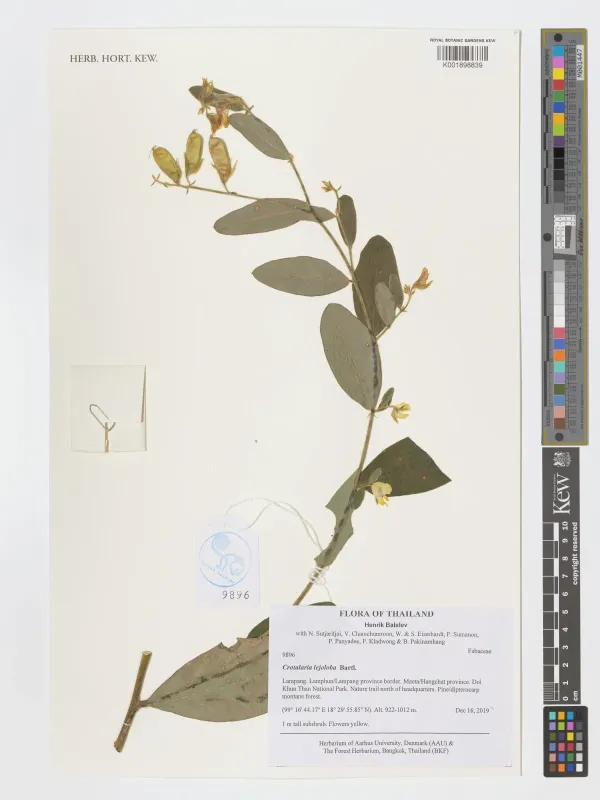
Description
Sowing dates
Crotalaria lejoloba is a heat-loving plant, so its sowing time depends heavily on soil warming. The optimal period is after the threat of late frosts has passed and the soil temperature at a depth of 10 cm reaches +15...+18°C.
In tropical and subtropical regions, sowing is conducted at the start of the rainy season to ensure uniform germination. It is crucial to maintain a sowing depth of 2 to 3 centimeters to ensure good soil-to-seed contact.
Seeding rates depend on the purpose of cultivation: higher rates are used for green manure, while lower rates are preferred for seed production. Row planting is recommended to allow for mechanized maintenance and weed control.
Pre-sowing seed treatment, such as scarification, significantly increases germination rates, as many species in the Crotalaria genus possess hard seed coats. This ensures more uniform stand establishment.
Establishing the crop requires minimizing weed competition during the first 3 to 4 weeks of growth. Once the plants become established, they grow rapidly, effectively shading out weeds with their dense foliage.
Growing requirements
This crop belongs to the Fabaceae family and is valued for its superior nitrogen-fixing ability. It thrives in well-drained sandy or loamy soils and exhibits notable tolerance to dry periods.
As a sun-loving plant, it requires open, well-lit areas to reach its full productive potential. Intense photosynthesis during sunny days promotes rapid biomass accumulation.
Crotalaria lejoloba cannot tolerate waterlogged soils, as poor drainage leads to root rot. Adequate soil aeration is a critical factor in fostering effective symbiotic relationships with nitrogen-fixing bacteria.
The optimal soil pH for this species ranges from slightly acidic to neutral. Highly alkaline or extremely acidic soils may require amendment to ensure successful crop development.
The plant adapts well to various temperature fluctuations; however, the most active growth occurs at stable temperatures between +22 and +30°C. It performs exceptionally well under long daylight conditions.
Yield
The economic value of Crotalaria lejoloba lies primarily in its use as a high-quality green manure. Its rapid biomass accumulation rate allows for the production of significant organic matter within a single season to enrich the soil.
When used as green manure, yield is measured in tonnes of dry or fresh matter per hectare. Once incorporated into the soil, the plant matter decomposes rapidly, increasing humus levels and nutrient availability.
Beyond nitrogen fixation, the plant improves soil physical structure by penetrating deep into the soil profile with its taproot. This positively impacts the yield of subsequent crops in the rotation, such as corn or grains.
In some regions, the plant is utilized as fodder, though caution is required due to the presence of alkaloids in the green tissue. Careful selection of the harvest stage is vital to ensure livestock safety.
For seed production, yield is dependent on the number of pods per plant and the conditions during ripening. Harvesting at the mature pod stage prevents spontaneous shattering and seed loss.
Main diseases and pests
Like other legumes, the crop may be susceptible to root rot, particularly in conditions of excess moisture and poor drainage. Crop rotation is essential to prevent the buildup of soil-borne pathogens.
Leaf-eating insects and caterpillars pose the greatest threat to the crop, as they can rapidly consume large sections of the foliage, hindering development and photosynthesis.
Aphid infestations can lead to the transmission of viral diseases, which result in leaf deformation and stunted growth. Regular field monitoring is necessary to identify and treat outbreaks early.
The bean weevil is a serious pest for stored seeds, capable of destroying significant portions of the yield. Fumigation and proper moisture control during storage are critical to minimizing losses.
Preventive measures include using clean, certified seeds, maintaining spatial isolation from pest hotspots, and implementing a robust weed control program to eliminate alternative host plants.
Harvesting
Harvesting for green manure should be carried out at the budding stage or onset of flowering. At this point, the plants contain the highest concentration of nitrogen and are succulent enough to decompose quickly.
Incorporating the biomass involves using disc harrows or mulchers to shred the stalks and distribute the material evenly before plowing. This facilitates rapid humification.
If the goal is seed production, harvest is conducted when the pods reach full maturity. A transition in pod color to dark brown or black serves as the primary indicator that the seeds are ready.
Mechanized seed harvesting requires careful adjustment of combine settings to prevent mechanical damage to the seeds. Avoiding harvest during the heat of the day helps prevent excessive pod shattering.
Post-harvest, seeds must be cleaned of debris and dried in shaded, well-ventilated areas to ensure high germination rates for future planting seasons.