
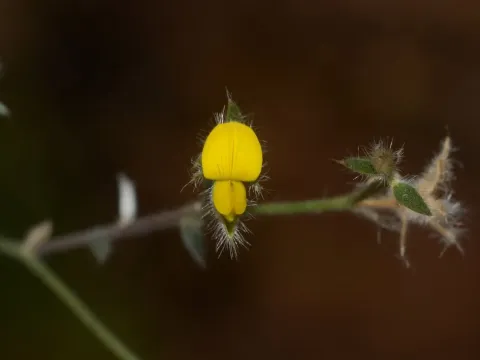
Crotalaria orixensis
Crotalaria orixensis
Crotalaria orixensis is an annual legume species known for its rapid biomass production and adaptability to various tropical and subtropical farming environments.
What the section contains
Crotalaria orixensis
Sowing is typically conducted once the soil temperature is high enough to ensure rapid germination, as the seeds respond positively to warmth and sufficient soil moisture.
Seeds of this plant often possess a hard seed coat, which may require scarification or specific pre-sowing treatments to enhance field emergence and overall plant population.
Depending on the intended use, sowing density varies: high density is preferred for green manure applications to ensure effective weed suppression and soil cover.
The optimal planting depth is generally between 2 and 4 centimeters, providing a stable environment for the seed to develop deep roots during the early establishment phase.
This crop thrives in warm climates with high solar radiation, making it an excellent choice for rotation programs in areas with intense heat during the growing season.
It prefers well-drained soil types, such as sandy loams or light clays, where water does not accumulate and soil aeration is sufficient for deep root respiration.
One of the key strengths of Crotalaria orixensis is its high drought tolerance, which allows it to persist and grow during periods of low rainfall that might inhibit other legumes.
However, the plant is susceptible to waterlogging, and site selection should avoid low-lying areas where water stagnation can lead to root diseases and poor plant performance.
Optimal growth is achieved when the soil contains the necessary rhizobial bacteria, which facilitates the biological nitrogen fixation process, a key feature of this leguminous plant.
Like many species in the Crotalaria genus, this plant can be affected by specific lepidopteran pests that target the foliage and reproductive structures during development.
Fungal diseases, including leaf spots and root rots, may emerge if the environmental conditions remain excessively humid for long periods, hindering proper airflow around the plants.
Root-knot nematodes represent a significant threat to productivity, necessitating the implementation of crop rotation strategies to minimize the buildup of soil-borne pathogens.
Integrated pest management, including the use of trap crops and biological control agents, is recommended to manage pest populations without damaging the ecosystem.
Field scouting is essential to identify early signs of stress or infestation, allowing farmers to take corrective actions before the damage impacts the final yield.
For green manure purposes, the harvest should occur during the peak flowering stage to ensure the highest nitrogen and organic matter content in the incorporated plant biomass.
If harvested for forage, the plants must be cut before the stems become overly lignified, as this preserves the nutritional value and digestibility of the harvested crop.
Seed harvest is performed once the pods have matured and turned brown, indicating that the seeds have reached their physiological maturity and maximum storage potential.
Threshing should be carried out with appropriate machinery settings to avoid mechanical damage to the seeds, which are typically small and possess a durable seed coat.
Post-harvest drying is critical to bring the moisture content down to safe levels for storage, preventing the development of mold or heating within stored seed batches.