
Crotalaria glauca
Crotalaria glauca
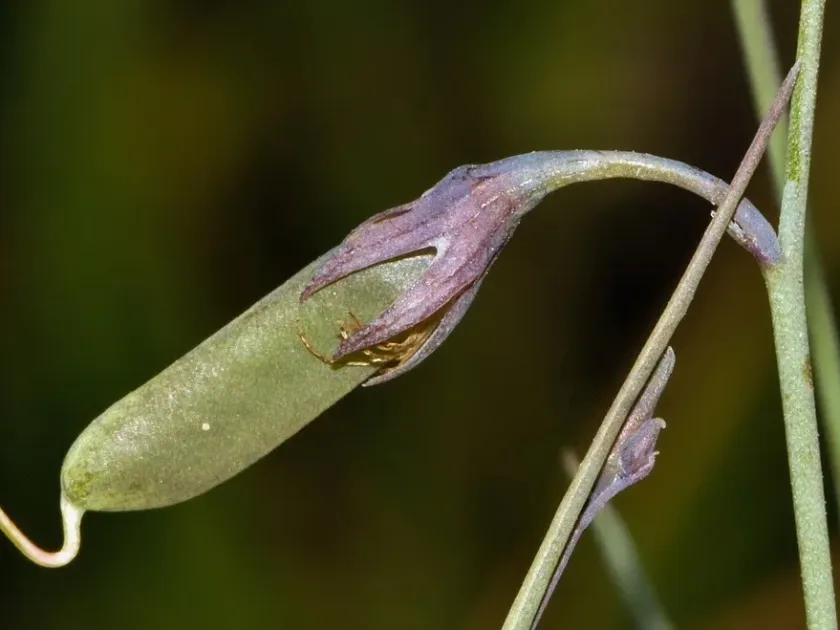
Description
Sowing dates
Crotalaria glauca is a heat-loving crop, requiring warm soil temperatures for successful germination. Sowing should be carried out in late spring once the risk of frost has completely passed and the soil has reached optimal thermal levels.
When used as a green manure, sowing density should be managed to ensure a thick stand capable of suppressing weeds and building sufficient biomass. Row planting is often preferred for seed production to facilitate maintenance and harvesting.
The optimal planting depth is between 2 and 3 centimeters. Burying seeds too deep can significantly delay emergence, while shallow sowing may expose the seeds to desiccation if topsoil moisture is insufficient.
Pre-sowing seed treatment, including scarification of the hard seed coat, is highly recommended to ensure uniform germination across the field. This uniformity is crucial for consistent plant growth and biomass development.
Adhering to correct sowing dates is essential for maximizing nitrogen fixation, which is the primary agricultural objective when cultivating this legume species.
Growing requirements
Crotalaria glauca is a member of the Fabaceae family and shows significant adaptation to various environments. It thrives best in well-lit, sunny areas as it does not tolerate shading, which significantly impacts its growth rate.
The crop is relatively drought-tolerant due to a deep taproot system, allowing it to access subsoil water. However, consistent moisture during the early vegetative phase is necessary to produce high quantities of biomass.
Well-aerated and well-drained soils are preferred, as waterlogging can cause root rot. The species performs well in sandy loam or light-textured soils and shows tolerance to moderate soil acidity.
As an effective nitrogen-fixer, the crop rarely requires nitrogen fertilization. Excess nitrogen can actually suppress the symbiotic activity of nodule-forming bacteria, which is counterproductive to the goal of natural soil enrichment.
The optimal temperature range for metabolic activity is between 20 and 30 degrees Celsius. Below 15 degrees, growth slows significantly, making the crop unsuitable for colder temperate zones.
Yield
The economic value of Crotalaria glauca lies in its high capacity for biomass production, serving as an excellent green manure. It effectively improves soil structure and boosts fertility by adding organic matter and atmospheric nitrogen.
In favorable conditions, the plant forms a dense stand that helps prevent soil erosion. The biomass decomposes rapidly after incorporation, making nutrients readily available for the subsequent crop in the rotation.
Yield metrics are largely determined by site-specific management, including water availability and light exposure. In optimal environments, the crop can produce multiple tons of green matter per hectare within a single season.
Seed production is sufficient for farmers to maintain their own supplies. Harvesting should occur once pods turn brown, with careful timing to prevent pod shattering and seed loss in the field.
The overall efficiency of the crop is measured by the total nitrogen accumulated per hectare, which provides a significant fertilizer credit for the following primary crop in the agricultural cycle.
Main diseases and pests
The most significant threats to Crotalaria glauca are fungal pathogens that thrive in high-humidity conditions. Fusarium wilt can cause serious damage if crop rotation practices are neglected, leading to soil-borne infection buildup.
Insect pests that consume young foliage are common threats during the seedling stage. Heavy infestation at this time can lead to stand thinning and reduced vegetative output, necessitating prompt monitoring.
Prophylactic measures, including proper crop rotation and the use of clean, disease-free seed, are the most effective management tools. Spatial isolation from other legumes can also reduce the risk of pathogen transmission.
Nematodes may occasionally target the root system, impacting overall plant vigor. Regular field checks for pest damage enable early intervention before a minor issue becomes an economic loss.
While chemical controls are available, they should be used sparingly, particularly when the primary goal of the crop is to enhance soil health and support sustainable farming practices.
Harvesting
When grown for green manure, the crop should be harvested before seed formation, ideally during the peak flowering stage. At this point, the plants are at their peak in terms of nutrient density and nitrogen content.
Incorporation typically involves mechanical shredding followed by light tillage. This ensures the green matter is evenly distributed in the upper soil profile, facilitating rapid decomposition and humus formation.
For seed collection, harvesting begins as pods darken and dry. Because many Crotalaria species are prone to shattering, prompt harvesting is required to minimize losses during the operation.
Harvested seeds must be thoroughly dried and cleaned of debris to prevent mold growth during storage. Maintaining low moisture content is critical to preserving seed viability for the next season.
Stored seeds should be kept in cool, dry, and well-ventilated conditions to maintain high germination rates and prevent degradation due to environmental factors.