
Cladrastis
Cladrastis
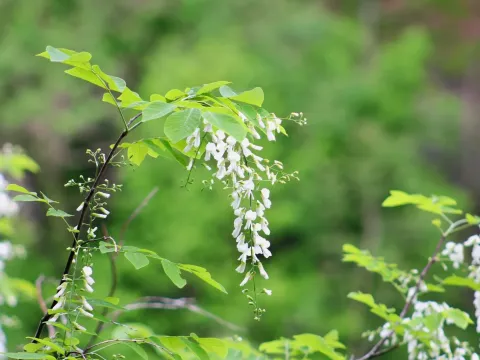
Cladrastis is a genus of ornamental deciduous trees belonging to the Fabaceae family. Native primarily to North America and East Asia, these trees are valued for their graceful structure and spectacular spring flowering.
What the section contains

Cladrastis
The crop thrives in fertile, well-drained loamy soils. It is essential to ensure that the planting site provides adequate aeration, as waterlogged conditions often lead to root rot and poor tree vigor.
Cladrastis requires full sun exposure to maintain its structural integrity and produce abundant blooms. While it can tolerate partial shade, insufficient light often results in a sparse and weakened canopy.
Regarding climate, the tree is moderately hardy. During the first few years after planting, consistent watering is required to establish a strong root system capable of supporting the tree in varied climates.
In terms of хозяйственное использование, Cladrastis is mainly utilized as an ornamental specimen in parks and gardens due to its fragrant white flowers and compound, pinnate foliage.
Fungal pathogens represent the most common threat to the health of the tree, typically affecting those planted in poorly drained soil or areas with high ambient humidity.
Pests such as aphids and scale insects are known to infest the tree during active growth stages, potentially leading to leaf chlorosis and decreased metabolic efficiency.
The wood of Cladrastis is relatively brittle. Consequently, the tree is prone to storm damage, requiring careful selection of planting locations away from high-wind corridors.
Proper sanitation, including the prompt removal of broken branches, is a critical management practice to prevent the entry of wood-decay fungi.
Routine monitoring for early signs of infestation and the application of balanced fertilizers ensure the long-term sustainability and health of the species in a managed environment.