
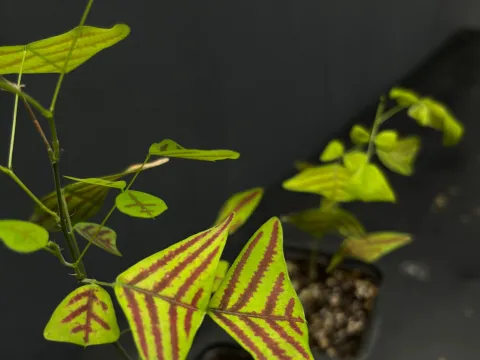
Christia
Christia Moench
Christia belongs to perennial or annual plants, depending on the specific species and the cultivation climate zone. In temperate climates, sowing is usually conducted in late winter or early spring in a greenhouse or indoor setting.
What the section contains

Christia
Successful germination requires a stable temperature in the range of 22–25 degrees Celsius. Utilizing a sterile, well-aerated substrate minimizes the risk of fungal diseases during the seedling stage.
Seeds are sown superficially, covered with only a thin layer of soil, as light is required to trigger growth processes. Containers should be covered with plastic film until the first sprouts emerge.
Pricking out seedlings is performed at the stage of two true leaves, taking care to preserve the delicate root system. Transplanting to a permanent location is carried out only after the threat of frost has passed.
Planting density depends on the purpose of cultivation; for ornamental arrangements, a spacing of at least 30–40 centimeters is maintained to ensure proper air circulation.
Christia prefers well-lit areas with light shading during peak sunlight hours to prevent leaf burns. Being a member of the Fabaceae family, it requires soils with a neutral to slightly acidic pH level.
High air humidity is a critical requirement, making this plant ideal for greenhouses or conservatory settings. The soil must be fertile and light, with a mandatory drainage layer at the bottom of the planting container.
Watering must be regular but without waterlogging, as the root system is sensitive to oxygen deficiency. In hot weather, supplementary misting is highly recommended to maintain plant health.
The plant responds well to complex mineral fertilizers with low nitrogen content to promote root development and leaf color vibrancy rather than excessive vegetative growth.
The temperature regime should remain moderately warm. Drastic temperature fluctuations and cold drafts negatively affect the bush, leading to leaf drop and metabolic slowdown.
Spider mites and mealybugs are the most common pests affecting this culture. These proliferate rapidly under conditions of low humidity and poor ventilation.
Fungal diseases, such as root rot, arise due to overwatering and the use of non-sterile substrates. To prevent these, proper irrigation management and the removal of plant debris are essential.
Upon detecting the first signs of pest infestation, it is necessary to isolate the plant and apply systemic insecticides or acaricides according to local regulations.
Powdery mildew may attack the leaves if ventilation is insufficient. Preventive treatments with biological fungicides help maintain the plant's immunity at a high level.
- Regular inspection of leaf surfaces.
- Monitoring humidity levels in the growing area.
- Ensuring optimal lighting conditions.
- Adhering to quarantine measures for new plant additions.