
Southern broom
Carmichaelia australis
Description
Growing requirements
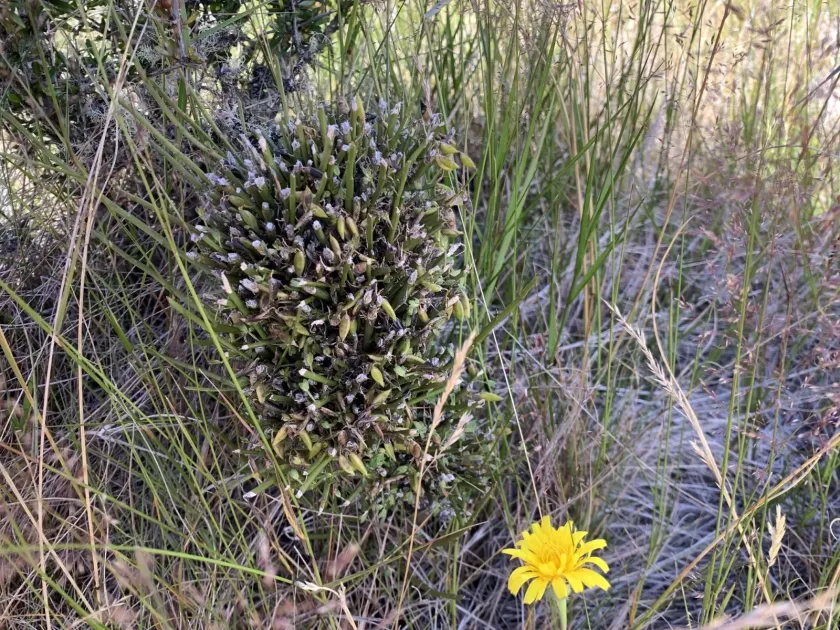
The Southern broom (Carmichaelia australis) is a distinctive member of the Fabaceae family, native to New Zealand. This shrub is evolutionarily adapted to harsh environments, often replacing traditional leaves with green, flattened stems called cladodes to minimize water loss.
In its natural habitat, the plant thrives in diverse terrains ranging from coastal cliffs to subalpine meadows. This adaptability makes it a resilient species for specific horticultural purposes where traditional ornamental shrubs might fail due to nutrient-poor soil conditions.
Optimal growth requires a sunny position and highly permeable, well-draining soil. It is crucial to prevent waterlogging, as the root system is susceptible to decay if kept in constantly damp or poorly aerated substrates for extended periods.
The species is highly valued for its ability to fix nitrogen from the atmosphere through a symbiotic relationship with rhizobia. This biological trait allows the plant to flourish in low-fertility soils and actively contribute to the nitrogen cycle within the ecosystem.
From an agricultural and landscaping perspective, it is used for erosion control and as a nectar source for pollinators. Its early spring flowering period provides a valuable food source for beneficial insects, supporting the overall biological health of the surrounding plantation or garden.
Main diseases and pests
The primary threats include fungal pathogens such as Phytophthora, which are typically triggered by poor drainage or overwatering. Maintaining air circulation around the crown and avoiding excessive irrigation is essential to mitigate these risks effectively.