
Carmichaelia flagelliformis
Carmichaelia flagelliformis
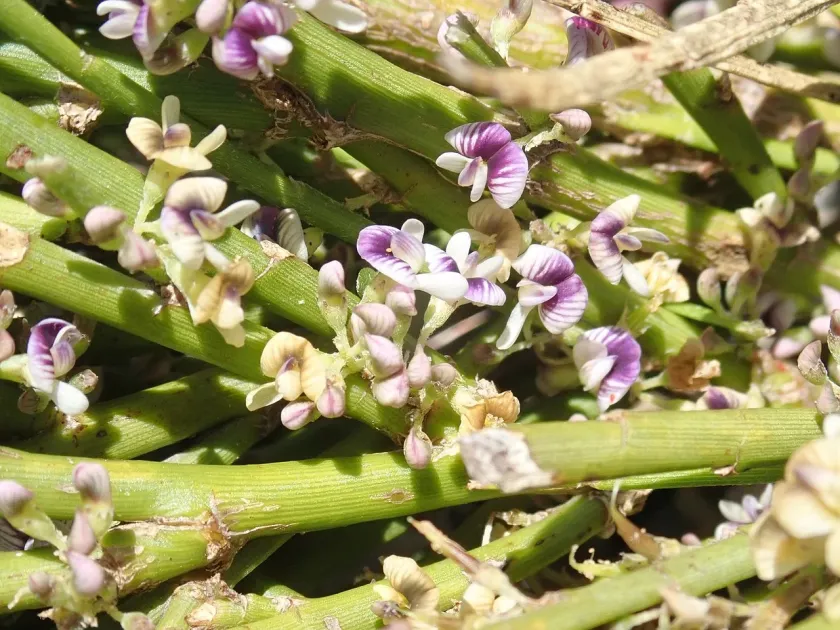
Description
Growing requirements
Carmichaelia flagelliformis is a member of the Fabaceae family, native to the diverse landscapes of New Zealand. This shrub is widely recognized for its leafless, flattened, broom-like green stems that perform photosynthesis throughout the year.
The plant thrives in well-drained, gritty, or sandy soils. It is essential to ensure that the site has excellent drainage, as the plant is highly susceptible to root damage when placed in waterlogged conditions for extended periods.
Regarding sunlight, this species requires a full sun exposure to maintain its characteristic compact shape and to encourage abundant flowering. It prefers locations with good air circulation to prevent stagnant moisture around its stems.
In terms of climate, Carmichaelia is suited for temperate regions with mild winters. While established plants show some tolerance to cold, protective measures are recommended in areas experiencing prolonged freezing temperatures to ensure survival.
Its primary agricultural and horticultural role is as an ornamental plant. Due to its architectural beauty and resilience in poor soils, it is a preferred choice for dry garden landscapes, rockeries, and specialized botanical collections.
Main diseases and pests
Root rot is the most serious threat to Carmichaelia flagelliformis, usually caused by overwatering or soil compaction. Preventing moisture accumulation in the rhizosphere is the primary defense strategy against this issue.
Spider mites are common pests that thrive on the stems, especially during hot and dry spells. Their feeding activity results in discolored, stunted stems, requiring prompt intervention with appropriate horticultural oils or acaricides.
Aphids can also colonize new growth, weakening the plant. Regular monitoring of the shoots is necessary to catch infestations early, particularly during the spring months when the plant enters its active growth phase.
Powdery mildew may appear on the stems if the plants are crowded or if humidity remains high without sufficient airflow. Maintaining adequate spacing between shrubs is crucial for disease prevention.
General plant vigor can be supported through balanced feeding and pruning of dead or diseased tissue, which helps in maintaining the health and longevity of this unique New Zealand native shrub.