
Carmichaelia stevensonii
Carmichaelia stevensonii
Description
Growing requirements
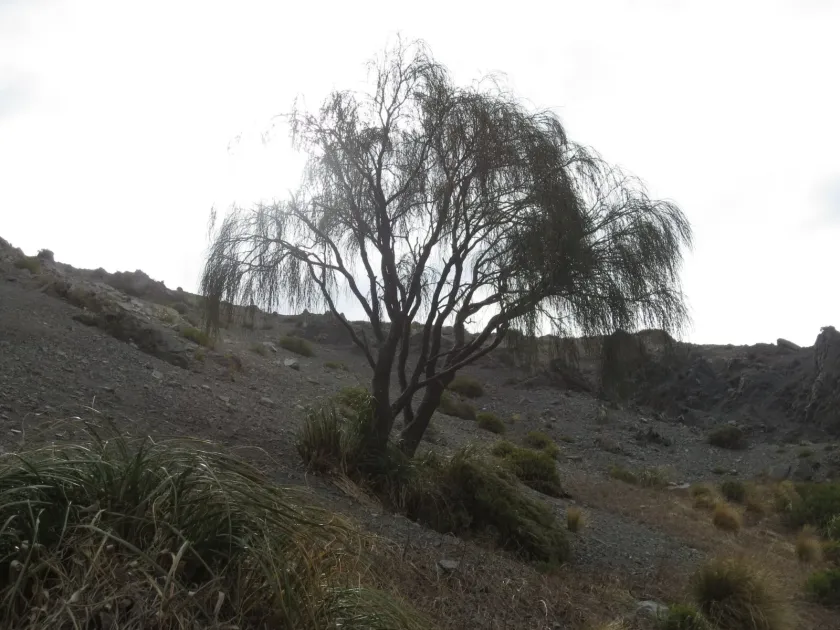
Carmichaelia stevensonii, a member of the Fabaceae family, is a distinct species native to New Zealand. Often referred to as a weeping broom, it is valued for its unique architecture and pendulous branching habit.
This species thrives in well-drained, sandy, or rocky soil types. It is highly intolerant of waterlogging, making proper drainage the most critical factor for its long-term survival in garden conditions.
The plant requires a sunny, open environment where it can receive full light. Exposure to intense, dry winds should be moderated by planting in positions that provide natural shelter without shading the plant.
Botanically, the plant is characterized by its flattened, green, photosynthetic branches that perform the majority of energy production. Leaves are small and transient, appearing mostly on juvenile growth before shedding.
Standard horticultural practices for this plant involve minimal intervention. It does not require intensive pruning or fertilization, but maintaining a consistent, deep watering schedule during the establishment phase is essential.
Main diseases and pests
Root rot caused by Phytophthora or similar fungal pathogens is the primary threat. This condition is almost exclusively linked to poor drainage or excessive irrigation in heavy soils.
Pests like aphids and scale insects occasionally colonize the stems. They are best managed through early detection and the use of horticultural oils or targeted systemic treatments when necessary.
Susceptibility to frost can be an issue in non-native climates. Protecting the root system with organic mulch during the first few winters is a recommended practice to ensure plant longevity.
Poor airflow around the canopy can lead to minor outbreaks of sooty mold if honeydew-producing insects are present. Maintaining plant vigor through proper site selection prevents most of these issues.
Any signs of wilting or discoloration should prompt an immediate inspection of the lower stem and root system to rule out pathogen activity or mechanical soil damage.