
Carmichaelia grandiflora
Carmichaelia grandiflora
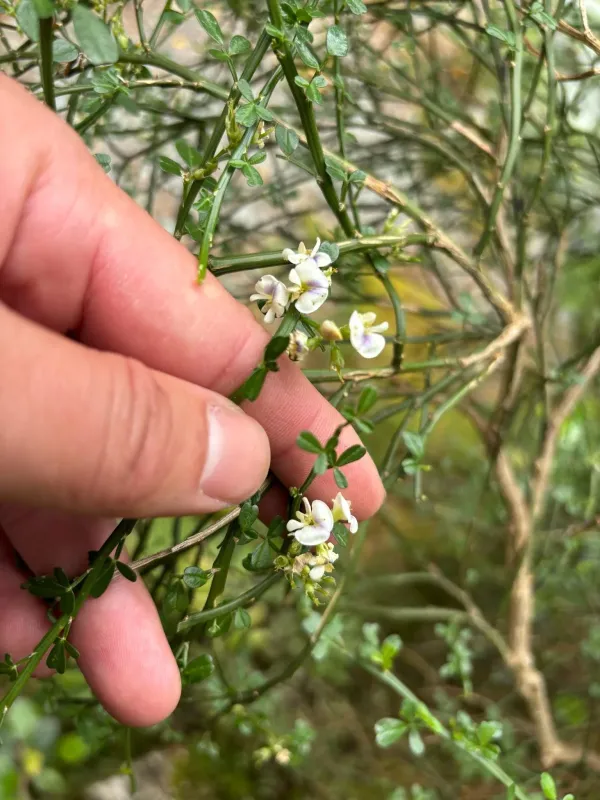
Description
Growing requirements
Carmichaelia grandiflora, commonly known as the large-flowered New Zealand broom, is a unique member of the Fabaceae family. This distinct shrub is native to the South Island of New Zealand, where it thrives in alpine and subalpine environments characterized by rocky soils and clear air.
The plant is biologically fascinating due to its leafless stems, which are flattened and green, taking over the role of photosynthesis. In the spring, the shrub is covered with racemes of fragrant flowers, ranging from white to purple, making it a highly valued plant for ornamental horticulture.
For successful cultivation, Carmichaelia grandiflora requires excellent drainage. It is highly susceptible to root rot if waterlogged, so gardeners must prioritize light, gritty soils. Adding gravel or pumice to the planting hole can significantly improve soil aeration and prevent moisture stagnation.
Climate-wise, this species prefers temperate zones with cool nights and moderate daytime temperatures. While it can tolerate some wind, it performs best in full sun with protection from harsh, drying winds that could damage its unique flattened stems during the active growing season.
In terms of agricultural use, the plant is valued as a nitrogen fixer, similar to other legumes, which helps improve soil health. It serves as a beautiful accent in rock gardens, woodland edges, and as a naturalistic addition to landscaping projects requiring low-maintenance vegetation.
Main diseases and pests
The most significant threat to the health of Carmichaelia grandiflora is root pathogens resulting from poor soil drainage. If the soil remains saturated for long periods, the roots will quickly decay, leading to the rapid decline of the entire shrub.
Pests like aphids and scale insects may occasionally infest the stems, especially during warm and dry periods when the plant's stress levels increase. Regular monitoring of the foliage and stems allows for early intervention with appropriate pest control methods.
Powdery mildew can become a concern in environments with high humidity and insufficient air circulation. Promoting good airflow through selective pruning and avoiding overhead irrigation during cloudy days is the best preventative strategy for maintaining plant vitality.
Frost damage can occur if the plant is not properly acclimatized to colder regions. While the species is relatively hardy, young specimens often require protection during their first winter to prevent stem splitting caused by rapid temperature fluctuations.
Fungal leaf spot diseases can sometimes impact the aesthetic appeal of the plant during extended wet seasons. Using preventative copper-based fungicides and ensuring the plant remains free of dead or decaying debris are essential practices for integrated pest management.