
Carmichaelia ensyi
Carmichaelia ensyi
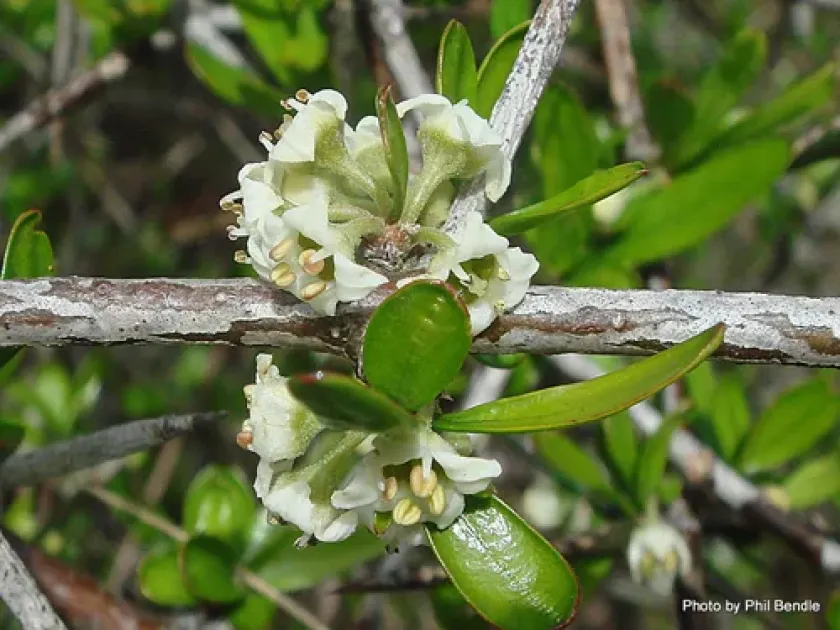
Description
Growing requirements
Carmichaelia ensyi is a distinctive shrub belonging to the Fabaceae family, endemic to New Zealand. This species is highly specialized, characterized by its leafless appearance where flattened, photosynthetic stems perform the essential functions of energy production and gas exchange.
Regarding its natural habitat, the plant typically thrives in rocky or stony soils with excellent drainage. In cultivation, it is crucial to provide a substrate that mimics these conditions, ensuring that moisture does not accumulate around the crown, which could lead to root hypoxia.
Light requirements for this species are high; it demands full sun exposure to maintain its structural integrity and characteristic coloration. In shaded environments, the stems tend to etiolate and lose their compact habit, making the plant susceptible to mechanical damage.
Soil nutrient management is relatively straightforward due to the plant's ability to fix atmospheric nitrogen. It rarely requires intensive fertilization, as excessive nutrient levels, particularly nitrogen, can lead to uncontrolled growth and reduced resilience against environmental stressors.
Maintenance involves periodic pruning to remove dead or diseased stems, which helps promote better airflow throughout the shrub canopy. Its unique physiological profile makes it an excellent candidate for xeriscaping, especially in regions with cool, temperate, and humid climates.
Main diseases and pests
The primary threats to Carmichaelia ensyi are soil-borne pathogens, specifically Phytophthora species, which proliferate in waterlogged conditions. Additionally, sap-sucking insects like aphids can cluster on younger stems, causing structural weakening and promoting the growth of sooty mold.