
Calophaca grandiflora
Calophaca grandiflora
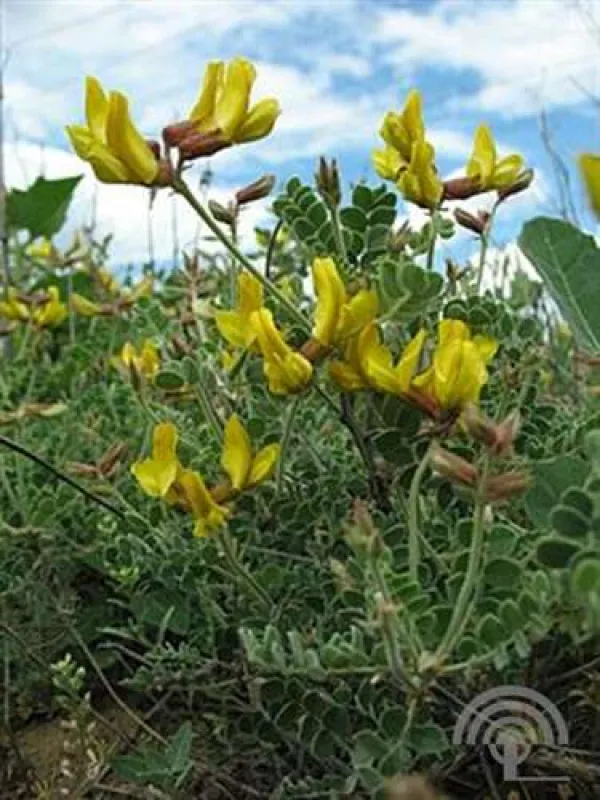
Description
Growing requirements
Calophaca grandiflora is an ornamental deciduous shrub belonging to the Fabaceae family. Originating from the arid regions of Central Asia, it has evolved to thrive in harsh environments, making it a robust choice for specialized gardens.
The plant requires full sun exposure to flourish. Placing it in shaded areas will significantly reduce its flowering potential and may cause the shrub to lose its structural integrity and aesthetic form.
Soil requirements focus on drainage. The species is highly sensitive to waterlogged soils, which can lead to rapid root decay. Rocky, sandy, or gravelly soils mimic its natural habitat and are ideal for cultivation.
Agrotechnical practices involve minimal interference once the plant is established. It is highly drought-resistant and does not require frequent irrigation, provided the planting site is correctly prepared with adequate drainage layers.
As a member of the legume family, it contributes to soil health through nitrogen fixation, making it a beneficial species in sustainable landscaping projects where chemical fertilizers are limited.
Main diseases and pests
The primary threats to this shrub are soil-borne pathogens, specifically fungal root rots, which emerge when the soil remains too wet for extended periods. Careful site selection is the best preventative measure.
Pests such as aphids may occasionally affect the tender foliage during the spring growth flush. Integrated pest management using gentle horticultural soaps or botanical oils is typically sufficient to control these infestations.