
Calophaca wolgarica
Calophaca wolgarica
Description
Growing requirements
Calophaca wolgarica is a perennial shrub belonging to the Fabaceae family, highly regarded for its resilience in arid and semi-arid environments. It serves as a significant biological agent for soil stabilization and landscape restoration in steppe regions.
Originating from the dry regions of Eastern Europe and Central Asia, the plant thrives in soils with low fertility, including sandy and rocky substrates. Its deep root system is capable of accessing deep groundwater, providing stability against wind and water erosion.
This crop is strictly adapted to dry climates. It exhibits high heat tolerance and can survive intense solar radiation, which makes it a priority species for planting in areas where other agricultural crops fail due to moisture deficiency.
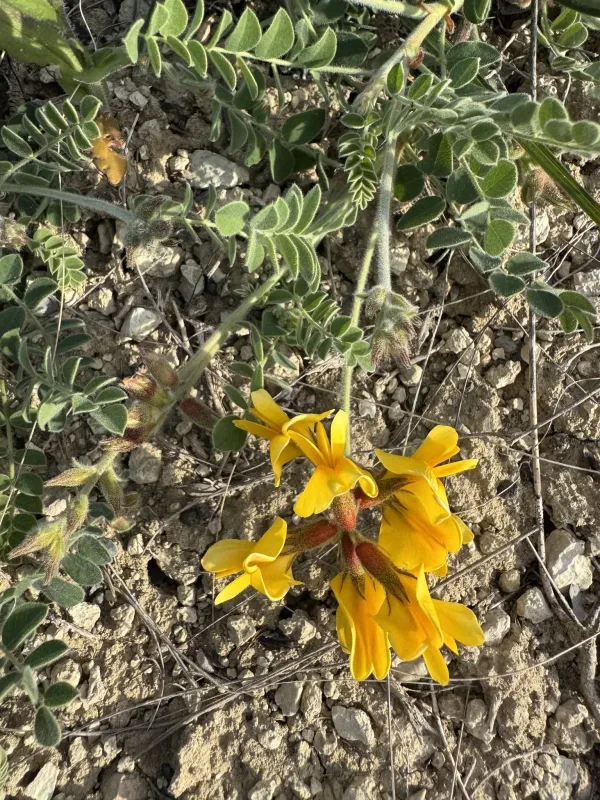
Botanically, the plant is characterized by pinnate leaves and distinctive yellow flowers organized in racemes. It displays strong symbiotic relationships with soil nitrogen-fixing bacteria, which helps improve the nutritional profile of degraded lands through natural nitrogen enrichment.
The agronomic value of Calophaca wolgarica lies in its role as a pioneer species for environmental reclamation. Beyond its protective functions, it is valued for its potential as a forage source for hardy livestock breeds in marginal lands.
Main diseases and pests
The primary threats to healthy growth are associated with high soil moisture, which induces root rot and fungal infections. Additionally, various species of weevils pose a risk to the vegetative organs, necessitating careful site selection and monitoring of moisture levels to prevent damage.