
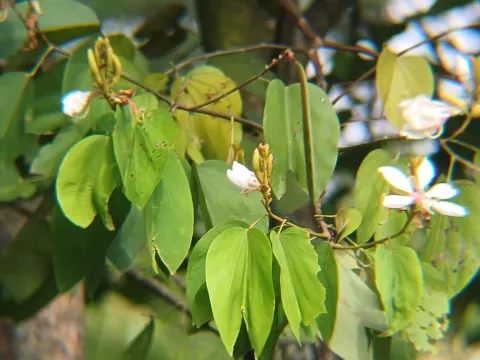
Bauhinia picta
Bauhinia picta
Propagation of Bauhinia picta is primarily performed using seeds in greenhouse or nursery environments. Seeds often require scarification of the outer coat to ensure water absorption and quicker germination.
What the section contains
Bauhinia picta
Sow the seeds in a loose, well-draining substrate at a depth of about 1 to 2 centimeters. Maintaining a stable temperature between 22 and 25 degrees Celsius is critical for success.
Once seedlings develop their first true leaves, they should be carefully transplanted into individual pots. Providing bright, indirect sunlight is necessary to encourage healthy growth and prevent etiolation.
When the plants reach a height of 15–20 centimeters, they can be repotted into larger containers. Transplanting to open ground is only feasible in regions with tropical or subtropical climates.
Stem cuttings from semi-hardwood can also be used for propagation. Maintaining high humidity and warmth is essential for successful root development in these cuttings.
Bauhinia picta is a member of the Fabaceae family, typically growing as a small tree or shrub. As a tropical species, it thrives in warm environments and is highly sensitive to cold temperatures.
The plant requires a sunny location sheltered from strong, drying winds. Insufficient sunlight will cause stunted growth and a significant reduction in the number of flowers produced.
Soil must be nutrient-rich and possess neutral to slightly acidic pH levels. Excellent drainage is non-negotiable, as waterlogged soil rapidly leads to root rot and plant decay.
Consistent watering is necessary during the active growing season, but the soil should be allowed to dry slightly between waterings in the winter. Avoid allowing the root ball to dehydrate completely.
High air humidity is beneficial for maintaining lush foliage. During hot summers, misting the canopy with soft, ambient-temperature water can significantly improve plant vigor.
The primary use of Bauhinia picta is ornamental landscaping, where it is highly prized for its beautiful, orchid-like flowers. It serves as a focal point in tropical and conservatory gardens.
Following the blooming period, the tree produces flat pods containing seeds. While not a conventional agricultural crop, these seeds are collected for breeding and species preservation purposes.
Flowering intensity correlates with the plant's age and the quality of care it receives. Strategic pruning helps shape the canopy and stimulates the production of multiple flower clusters.
In temperate zones, the tree is grown in containers to allow for relocation to a greenhouse during winter. This practice preserves the specimen and allows for year-round horticultural observation.
Agricultural efforts focus on selecting cultivars with improved floral displays and better adaptation to confined container spaces, enhancing their utility in residential landscaping.
Common pests affecting this species include spider mites and scale insects. These pests feed on the sap of young leaves and shoots, potentially causing yellowing and premature leaf drop.
Root rot, caused by fungal pathogens in wet soil, remains the most significant threat. Adhering to a strict watering schedule and providing proper drainage is the most effective prevention method.
Powdery mildew may occur if air circulation around the canopy is poor or if the plant experiences sudden temperature fluctuations. Prompt removal of affected foliage helps control outbreaks.
Regular applications of appropriate insecticides or organic pest control solutions are recommended at the first sign of infestation. Always follow the manufacturer's label instructions strictly.
Proactive care, including routine inspections of the underside of leaves, allows for early detection of pests. Maintaining a clean growing environment is key to minimizing disease pressure.