
Aeschynomene hystrix
Aeschynomene hystrix
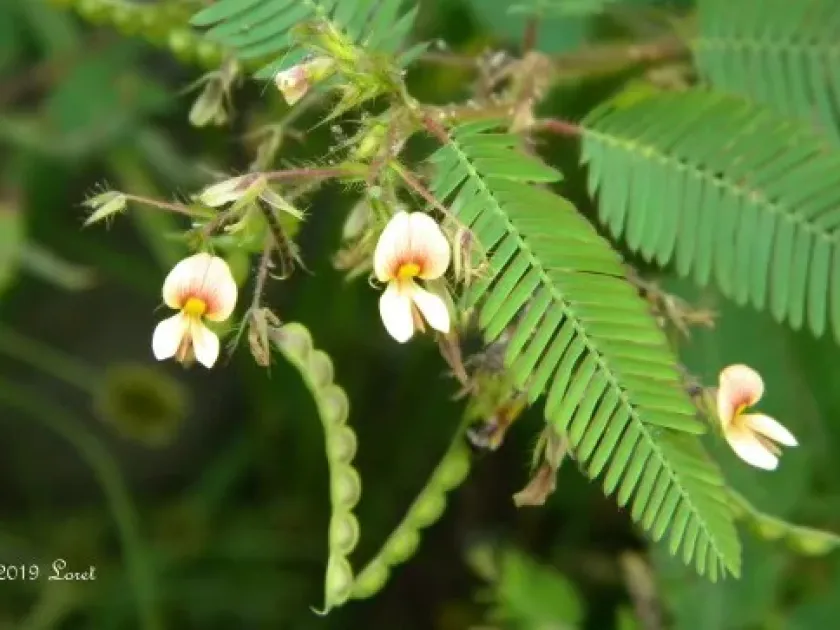
Description
Sowing dates
Aeschynomene hystrix is a tropical legume, and its planting schedule is strictly dictated by the onset of the rainy season. Sowing should coincide with the arrival of consistent rainfall to ensure moisture for germination.
Seed scarification is highly recommended prior to planting due to the hard seed coat, which naturally inhibits germination. This process is essential for achieving a uniform and dense plant stand.
The sowing rate varies based on the intended use, whether for new pasture establishment or overseeding existing land. Seeds should typically be placed at a depth of 1–2 centimeters.
As the initial growth phase is relatively slow, it is crucial to manage weed competition during the early weeks. Providing a clean start significantly impacts the final biomass yield.
Both direct drilling and conventional seedbed preparation are viable depending on the available machinery. The primary objective is to secure good seed-to-soil contact for rapid establishment.
Growing requirements
This species is highly valued for its ability to thrive in acidic, nutrient-poor soils where many other forage plants struggle. It is a robust legume that demonstrates excellent adaptation to marginal tropical lands.
The plant requires full sun exposure and does not perform well under dense shade. Proper light management is a key factor in maximizing the vegetative production of this crop.
While Aeschynomene hystrix possesses moderate drought tolerance, it requires consistent moisture for optimal productivity. It is best suited for tropical climates with adequate rainfall distribution.
Successful growth depends on the presence of specific rhizobial bacteria in the soil. Inoculation may be necessary if the soil lacks the natural population of nitrogen-fixing bacteria.
Temperature is a critical constraint, as the plant is highly sensitive to cold and frost. It is strictly limited to warm, frost-free regions where it can express its full growth potential.
Yield
The main agricultural use of Aeschynomene hystrix is as a protein-rich forage source for livestock. It significantly enhances the feed quality of pastures in tropical environments.
Biomass production is closely linked to climatic conditions and soil fertility. Under favourable conditions, it forms a vigorous carpet, providing high-quality grazing material throughout the season.
The crop is known for its resilience under grazing pressure, showing a good recovery rate after being eaten by animals. This makes it suitable for intensive rotational grazing systems.
Beyond forage, it serves as an excellent cover crop. Its ability to fix atmospheric nitrogen improves soil fertility, making it a valuable component in sustainable crop rotations.
Its well-developed root system provides effective soil stabilization, helping to control erosion on sloping lands and maintaining soil structure against tropical downpours.
Main diseases and pests
In humid tropical conditions, fungal diseases of the foliage can pose a threat, especially if planting density is too high, leading to poor air circulation within the canopy.
Root rot is a significant concern on waterlogged soils with poor drainage. Selecting well-drained sites is a primary preventive measure to ensure the health and longevity of the stand.
Various insect pests that target legumes can damage the leaves and stems, potentially reducing the overall vigour and photosynthetic capacity of the plants.
Integrated pest management, including crop rotation and monitoring, is advised to minimize the impact of disease and insect infestations without excessive reliance on chemicals.
Proper field maintenance, such as ensuring adequate spacing and removing stagnant water, significantly reduces the likelihood of severe pathogen outbreaks in the forage field.