
Acmispon
Acmispon
Acmispon is a genus of flowering plants in the legume family (Fabaceae), comprising several species that were formerly placed within the Lotus genus. These plants are recognized for their remarkable ability to fix atmospheric nitrogen, playing an essential role in improving soil quality in arid and semi-arid environments across the Americas.
What the section contains


Acmispon
The natural range of Acmispon spans from North to South America, where these plants have adapted to challenging environments such as coastal sand dunes, rocky outcrops, and dry prairies. Their ability to thrive in extreme conditions makes them a subject of interest for sustainable land restoration and forage production in harsh climates.
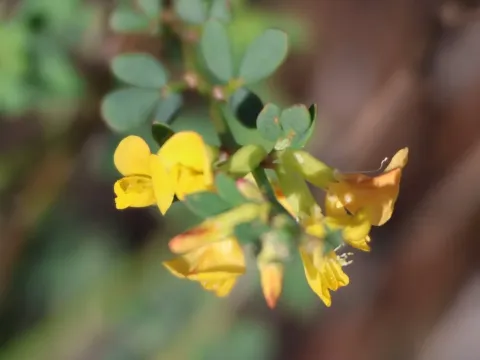
Botanically, Acmispon plants range from small herbs to semi-shrubs, featuring pinnate leaves and small, often yellow or bicolored flowers arranged in umbel-like clusters. A deep taproot system is a hallmark of this genus, allowing it to survive prolonged droughts by tapping into moisture stored deep within the soil profile.
Regarding soil requirements, Acmispon is exceptionally hardy and capable of growing in nutrient-poor, sandy, or saline soils. It does not require high levels of chemical fertilizers, as its symbiotic relationship with nitrogen-fixing bacteria supplies the necessary nutrients for growth, making it a low-input agricultural option.
In agricultural practice, Acmispon is primarily utilized for land reclamation, erosion control, and as a high-quality forage source for livestock in arid regions. Its capacity to remain green during dry spells provides a vital source of protein for grazing animals when other forage species become dormant or die back.
While robust, Acmispon is susceptible to root rots when grown in heavy, waterlogged soils with poor drainage. The primary preventative measure for these diseases is to ensure adequate soil aeration and to select sites that prevent standing water, which promotes pathogen proliferation.
Common pests include various coleopterans that feed on foliage or developing seeds. Integrated pest management strategies, such as monitoring seed production sites and promoting natural biodiversity within the field borders, are effective in minimizing crop losses caused by insect populations.