
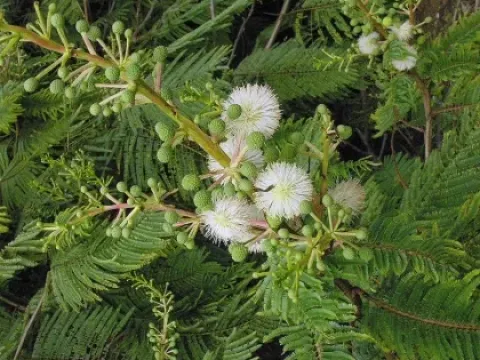
Acaciella
Acaciella
Acaciella is a genus of perennial plants within the Fabaceae (legume) family, noted for its significant role in nitrogen fixation and ecological restoration. These plants are shrubs or small trees that exhibit high resilience in challenging climates and have been distinguished from the wider Acacia genus.
What the section contains


Acaciella
Originating primarily from the Americas, the distribution of Acaciella ranges from the southern United States to tropical regions. They are exceptionally well-adapted to arid and semi-arid environments, thriving under full sun exposure and benefiting from warm temperatures during the growing season.
For cultivation, the plant requires well-drained, porous soils with a neutral to slightly alkaline pH. Proper site selection is crucial to ensure the roots do not sit in saturated soil, which can lead to rapid decline. Soil moisture management is essential during the establishment phase.
Agricultural techniques involve deep soil preparation and, where necessary, scarification of seeds before planting. This ensures uniform germination rates and strengthens the root system, which is vital for the plant's long-term endurance against environmental stressors in the field.
The primary economic use of Acaciella is as a nutritious fodder crop in regions where pasture availability is seasonally limited. Furthermore, its ability to fix nitrogen and improve soil structure makes it an excellent choice for agroforestry projects and land reclamation initiatives.
The main threats to this crop involve fungal pathogens that affect the root zone, typically triggered by poor drainage or overly humid conditions. Avoiding soil compaction and ensuring appropriate spacing between plants significantly mitigates the risk of systemic diseases.
Pests such as seed weevils and various foliage-feeding larvae may occasionally cause economic damage to the canopy. Farmers are advised to maintain diverse field borders and monitor populations closely to manage these pests through integrated pest management (IPM) practices rather than total chemical eradication.