
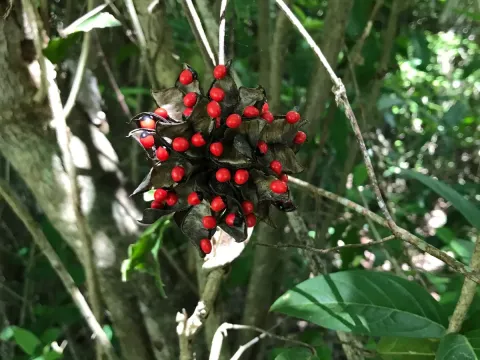
Abrus
Abrus
Abrus is a genus of flowering plants in the legume family, Fabaceae, primarily known for its vining growth habit and rapid development in tropical climates.
What the section contains

Abrus
Propagation is typically done through seeds, which require mechanical or chemical scarification to break dormancy and ensure uniform germination.
Seeds should be sown in well-drained, warm substrates with optimal temperatures consistently above 22 degrees Celsius to facilitate healthy seedling emergence.
Providing adequate support is essential immediately after sowing, as the plant exhibits aggressive climbing characteristics that require vertical structures for proper development.
Early-stage seedlings are particularly sensitive to moisture fluctuations, requiring a delicate balance of hydration to maintain steady growth during the first few weeks.
The plant thrives in fertile, well-draining soils with a neutral or slightly acidic pH, which prevents root rot and promotes robust nutrient uptake.
Abrus requires full sun exposure to maximize photosynthetic activity, although it can tolerate partial shade in regions with extremely intense solar radiation.
Temperature management is critical as the species is strictly tropical and cannot survive exposure to frost or prolonged cool weather conditions.
Water requirements include a regular watering schedule that keeps the soil moist but avoids saturation, as standing water is detrimental to root health.
Regular fertilization with organic compost or mineral nitrogen-phosphorus blends helps sustain the rapid biomass production typical of this vine species.
Root rot caused by various soil-borne fungi is the most common threat, usually stemming from improper drainage or excessive irrigation practices.
Spider mites are prevalent pests that often infest the foliage during hot, dry spells, leading to yellowing and premature leaf drop if not managed.
Powdery mildew and various leaf spot diseases can affect the plant during humid periods, requiring preventative application of fungicides to maintain foliage integrity.
Nematode infestations can be problematic in sandy soils, severely impacting the root system and overall vigor of the plant during the growing season.
Due to the presence of the toxic protein abrin in its seeds, the plant poses a significant biological hazard, requiring strict safety protocols during any manual handling.