
Small-flowered birdsfoot trefoil
Acmispon parviflorus
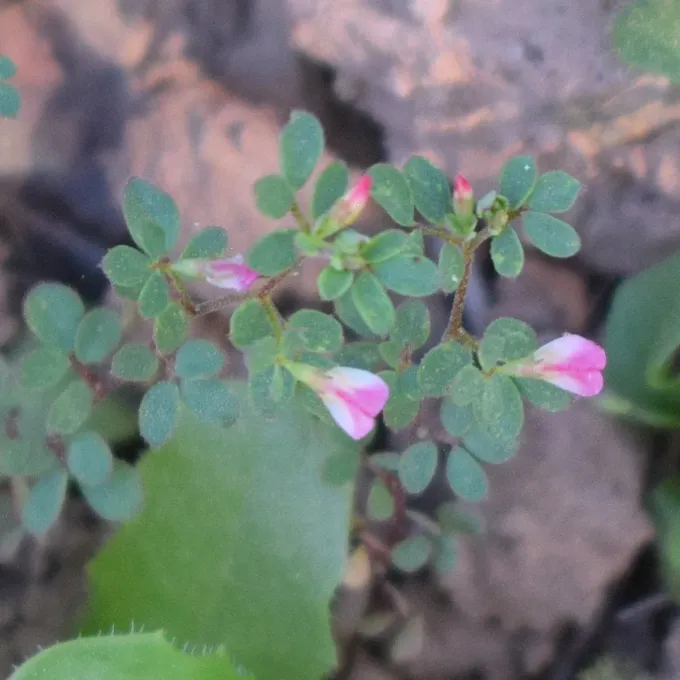
Description
Growing requirements
Small-flowered birdsfoot trefoil (Acmispon parviflorus) is an annual leguminous plant belonging to the Fabaceae family. Native to western North America, it is adapted to various ecosystems, frequently appearing in open habitats and grasslands.
The plant demonstrates a strong preference for well-drained, sandy or loamy soils. It requires adequate exposure to sunlight to reach its full physiological potential. While it adapts to diverse climates, it performs best in regions with moderate rainfall and temperate growing conditions.
A crucial agronomic advantage of this species is its ability to fix nitrogen through symbiotic relationships with soil bacteria. This makes it an ecologically beneficial plant for maintaining or improving soil fertility in agricultural settings.
Botanically, it features small, yellow papilionaceous flowers and slender pods. Its growth habit is typically prostrate or ascending, which helps it minimize water loss through transpiration in drier environments.
In practice, it is often utilized as a component of mixed forage crops. Its ability to thrive in poor soils makes it an excellent candidate for revegetation projects or sustainable pasture management programs.
Main diseases and pests
The primary threats to Acmispon parviflorus include root rot infections, which are frequently triggered by waterlogged soil conditions. Excessive moisture hinders root respiration and provides an ideal environment for pathogenic fungi.
Pest pressure from aphids is a recurring issue, as these insects can significantly damage vegetative tissue and inhibit the plant's overall growth. Effective scouting is required to prevent widespread infestation during the peak growing season.
Weevils are another major concern, as they can target developing seeds within the pods. Managing these pests is essential to maintain high-quality seed yields for future planting cycles or natural reseeding.
Competition from aggressive weed species is significant during the establishment phase. Because the plant starts its growth cycle slowly, it is vulnerable to being choked out by faster-growing grasses or invasive weeds.
Integrated pest management, including crop rotation and proper site preparation, is the most effective strategy to mitigate these threats. Avoiding mono-cropping and ensuring soil aeration can significantly reduce the incidence of soil-borne pathogens.