
Acmispon brachycarpus
Acmispon brachycarpus
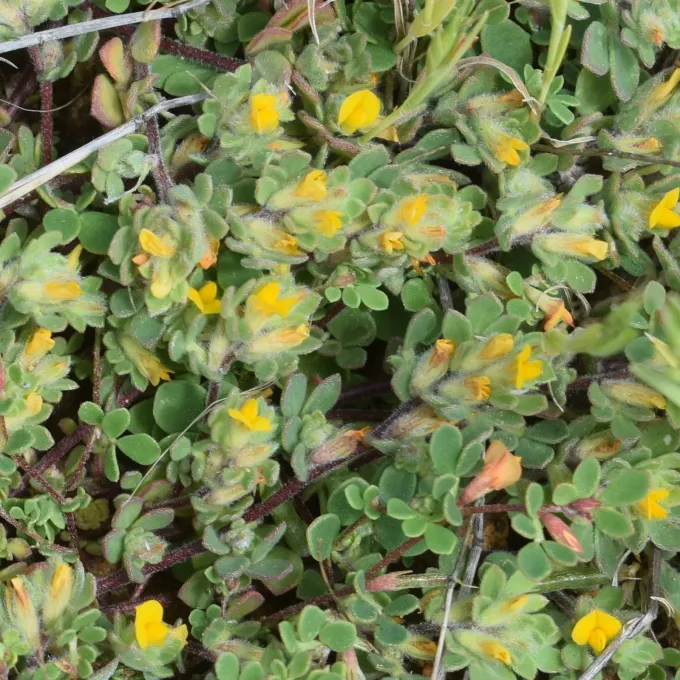
Description
Sowing dates
Acmispon brachycarpus is an annual herbaceous plant belonging to the Fabaceae family, recognized for its potential as a valuable agricultural forage crop.
The optimal time for sowing is during the early spring season, once soil temperatures are consistently warm enough to support rapid germination and emergence.
Seeds should be sown at a depth of 1 to 2 centimeters to ensure they maintain adequate moisture contact while allowing the emerging seedling to reach the surface effectively.
Standard agricultural practices for legumes, including appropriate seed spacing and density, should be followed to minimize weed competition and maximize biomass output.
After seeding, the field should be compacted to ensure good seed-to-soil contact, which promotes uniform capillary water movement to the seeds for consistent growth.
Growing requirements
This crop thrives in sunny, well-lit environments and requires adequate space to ensure sufficient exposure to solar radiation, which is critical for its development.
It prefers light-textured soils, such as sandy loams, that offer excellent drainage, as the plant is sensitive to waterlogging and poor soil aeration.
The species is notably resilient to drought conditions, making it an excellent candidate for regions where water resources for irrigation are limited or costly.
A neutral to slightly alkaline soil pH is optimal for the plant to access essential nutrients and to support its symbiotic relationship with nitrogen-fixing bacteria.
Effective soil management, including the maintenance of organic matter, helps support the overall health and vigor of the crop throughout its vegetative growth cycle.
Yield
As a legume, Acmispon brachycarpus serves as a high-protein forage resource that can be utilized for hay production, silage, or direct grazing by livestock.
The yield of biomass is highly dependent on appropriate agricultural inputs and maintaining consistent moisture levels, particularly during the early vegetative growth phases.
The crop's ability to regrow after initial harvesting allows for multiple cuts per season under favorable climate and soil fertility management conditions.
It also functions as an effective cover crop, contributing to soil health by fixing atmospheric nitrogen, which benefits the fertility of the following crop in a rotation.
Quality management during harvesting and post-harvest handling ensures that the protein content and overall nutritional value of the forage are well-preserved for livestock consumption.
Main diseases and pests
Common agricultural threats include fungal pathogens such as powdery mildew or root rot, which typically manifest in conditions of high humidity and poor field drainage.
Pests targeting legumes, including various beetle species and aphids, can cause significant stress to young crops if infestations remain unmonitored during the growth phase.
Integrated pest management strategies, such as crop rotation and the use of resistant seed varieties, are the most effective ways to mitigate these biological threats.
Field monitoring is essential for early detection of disease outbreaks, allowing for timely intervention and minimizing the need for extensive chemical applications.
Practicing good sanitation, including the destruction of host weeds around the field, helps maintain a lower baseline of pest pressure throughout the growing season.
Harvesting
Harvesting for forage is best conducted at the start of the flowering phase, when the nutrient profile of the plant reaches its peak in terms of protein and digestibility.
Machinery should be set to prevent unnecessary damage to the stems, ensuring that the harvested material retains its quality for efficient drying or silage processing.
When harvesting for seeds, the timing must be precise to capture the pods before they undergo natural dehiscence, which can lead to significant yield losses in the field.
Post-harvest soil management should involve incorporating the remaining plant residues back into the earth to recycle nutrients and improve future soil productivity.
Proper storage conditions, including cool and dry environments, are vital to maintain the high nutritional quality of the forage for livestock feeding during winter.