
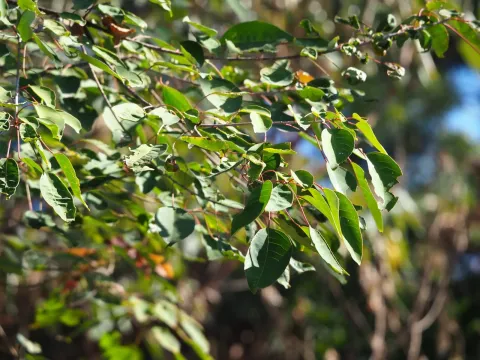
Sapium discolor
Sapium discolor
Sapium discolor is a tree species belonging to the Euphorbiaceae family. Native to tropical regions of Asia, it is primarily found in lowland forests and secondary forest habitats, where it thrives in warm and humid conditions.
What the section contains
Sapium discolor
The climate requirements for this species are strict, demanding high temperatures throughout the year. It does not tolerate frost and grows best in tropical zones where seasonal fluctuations are minimal.
Regarding soil conditions, Sapium discolor prefers deep, fertile, and well-drained soils. While it appreciates moisture, it cannot withstand waterlogged conditions, which can lead to rapid root degradation.
The tree requires significant solar radiation to maintain its growth cycles. While it may tolerate partial shade in its juvenile stage, maturity requires an open canopy to ensure optimal physiological function.
Cultivation practices involve regular monitoring of soil moisture and maintaining soil structure. Proper spacing between trees is crucial to ensure adequate air circulation, preventing the buildup of humidity within the foliage.
Fungal pathogens represent the most significant threat to the health of Sapium discolor. High humidity often triggers leaf spot diseases, which can weaken the tree if not managed through proper sanitation.
Pest pressure from stem-boring insects is common, especially in trees that are already suffering from environmental stress. Early detection and pruning of infested branches are essential to mitigate long-term damage.
Mites can also pose a risk during drier spells, feeding on leaf tissues and reducing the tree's photosynthetic efficiency. Integrated pest management practices are recommended to minimize chemical input.
Root rot, often caused by poor drainage or over-irrigation, is a frequent cause of mortality in young plantations. Ensuring that the planting site has an effective drainage system is the primary preventive measure.
In conclusion, keeping the plantation clean and removing dead organic matter from the area around the trunk helps in suppressing the development of common agricultural pests and soil-borne diseases.