
Sandbox tree
Hura
Hura is a genus of tropical trees belonging to the Euphorbiaceae family. The most prominent species, Hura crepitans, is native to the tropical forests of Central and South America.
What the section contains

Sandbox tree
The tree thrives in hot, humid tropical climates. It requires nutrient-rich, well-drained soils to support its rapid growth and large size. Adequate sunlight is essential for the tree's canopy development.
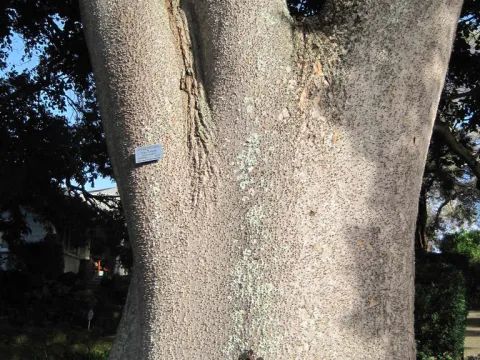
Botanically, the sandbox tree is known for its spiny trunk and distinctive, pumpkin-shaped fruit capsules. These capsules are famously known for exploding with a loud sound when mature.
In terms of cultivation, it is often utilized as an ornamental plant in tropical gardens due to its unique architectural form. The tree is not a primary agricultural commodity but has historical value for its wood.
Maintenance involves providing consistent irrigation and monitoring the physical structure of the tree. Given its size, it requires significant space to prevent structural damage in dense planting scenarios.
The sandbox tree is susceptible to various fungal pathogens when grown in environments with poor soil drainage. Root rot is a common issue if the moisture levels are not managed correctly.
While the milky latex in the plant acts as a strong deterrent against many herbivores, certain tropical pests can still cause damage to leaves and young shoots during the growing season.
Physical hazards are a significant consideration, as the explosive nature of the seed pods can scatter seeds at high velocities. This requires careful management if the trees are planted near buildings.
Structural damage from high winds is a threat due to the wood's fragility. Routine pruning to maintain canopy balance can help mitigate the risk of falling branches.
Agricultural workers must handle all parts of the tree with caution. The sap is highly toxic and can cause severe irritation, necessitating the use of personal protective equipment during maintenance.