
Sapium glandulosum
Sapium glandulosum
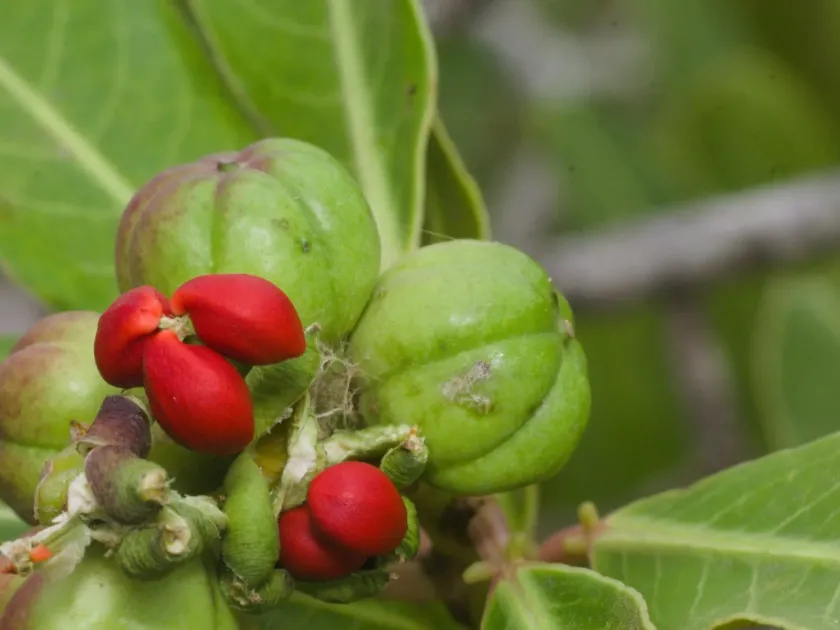
Description
Growing requirements
Sapium glandulosum is a member of the Euphorbiaceae family, native to the tropical and subtropical regions of Central and South America where it thrives in diverse ecosystems.
The plant requires deep, fertile, and well-drained soils to establish a strong root system, showing high tolerance to varying levels of acidity found in native forests.
Optimal growth conditions involve a warm climate with consistent rainfall, as the species is highly sensitive to extended cold periods or severe drought stress.
Agricultural management requires spacing the trees appropriately to ensure maximum exposure to sunlight, which is vital for the tree's photosynthesis and latex production.
Pruning is an essential agrotechnical practice to maintain tree health and ensure that the canopy remains open for light penetration and air circulation.
Yield
The primary industrial utility of Sapium glandulosum lies in the extraction of its milky latex, which serves as a source for rubber-like materials.
The wood of this species is valued for its versatility, being light and easy to process, making it suitable for regional woodworking and construction projects.
The yield of latex is highly dependent on the age of the tree and the precise technique used for tapping, which requires skilled labor to maintain plantation health.
Seeds are a secondary resource, containing oils that have potential applications in technical and chemical industries, contributing to the economic value of the crop.
Sustainable harvesting methods are implemented to maximize the lifespan of each tree, ensuring a continuous supply of resources for industrial purposes.
Main diseases and pests
The species is susceptible to various fungal pathogens, particularly those affecting the bark, which can be exacerbated by excessive humidity in the environment.
Pests, including sap-sucking insects, pose a significant challenge to plantation managers as they can drastically reduce the vigor and latex yield of the trees.
Improper tapping wounds create entry points for pathogens and wood-boring insects, necessitating strict hygiene protocols during the harvesting season.
Invasive weeds can compete with young Sapium trees for nutrients and water, requiring regular mechanical weeding to avoid stunting the tree's growth.
Integrated pest management strategies are crucial to mitigate risks, focusing on biological controls and maintaining high vitality of the tree population.