
Sapium laurifolium
Sapium laurifolium
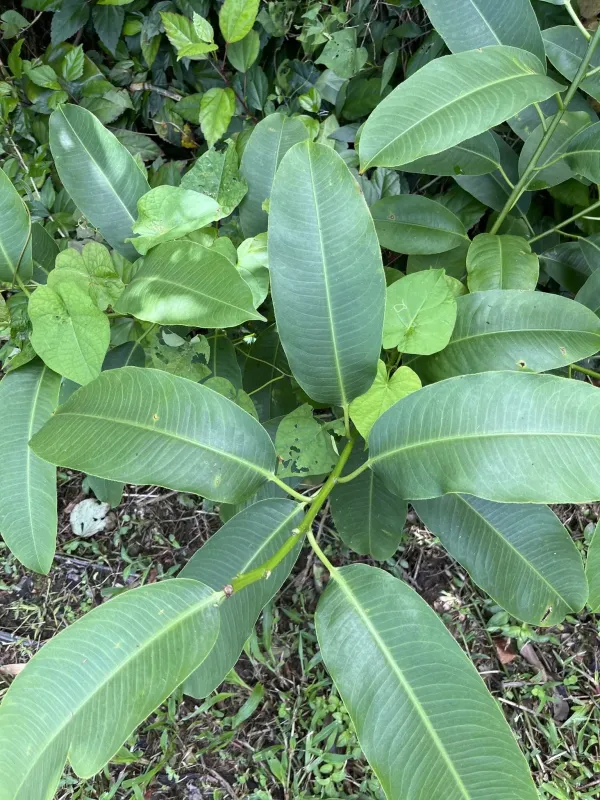
Description
Growing requirements
Sapium laurifolium is a member of the Euphorbiaceae family, recognized as an evergreen tree that possesses distinct laurel-shaped foliage. Like many members of its genus, the plant contains a characteristic milky sap which is a typical trait of the family.
Originating from the tropical regions of Central and South America, this species is naturally adapted to moist forest environments. It is frequently observed growing along riverbanks, thriving in nutrient-rich alluvial soils that support its rapid growth and canopy development.
The climate requirements for this species are strictly tropical, necessitating consistent warmth throughout the year. As it is highly intolerant of frost, outdoor cultivation is restricted to frost-free regions, while in cooler climates, it requires greenhouse or conservatory protection.
Soil management for Sapium involves ensuring high organic content and excellent drainage. The tree prefers slightly acidic to neutral soil structures that retain moisture without becoming waterlogged, which is essential to prevent root asphyxiation and systemic decay.
In terms of agricultural and industrial utility, the species is valued for its wood production, suitable for light joinery and plywood manufacturing. Beyond its timber potential, its dense, evergreen canopy makes it a favorable selection for ornamental reforestation and large-scale landscape design.
Main diseases and pests
Fungal pathogens represent the primary threat to the health of Sapium laurifolium, particularly under conditions of high humidity and poor ventilation. Root rot caused by Oomycetes often occurs if the soil drainage is inadequate or if irrigation schedules are not properly managed.
Pest pressures are primarily driven by sap-sucking insects, including scale insects and mealybugs. These pests congregate on the undersides of leaves and young stems, drawing essential nutrients and creating entry points for secondary fungal infections to settle in.
Defoliating larvae may also affect the foliage during the peak growing season, potentially reducing the tree's photosynthetic capacity. Integrated pest management strategies, focusing on biological controls, are recommended to preserve the tree's ornamental and structural integrity.
Nutrient deficiencies, particularly involving iron and magnesium, can result in leaf yellowing or chlorosis, which diminishes the tree's vigor. Regular soil testing and balanced fertilization programs are necessary to maintain optimal leaf coloration and physiological performance.
Sanitation practices, such as the prompt removal of deadwood and the disinfection of pruning tools, are critical for disease prevention. Maintaining a clean growing environment helps to minimize the spread of spores and ensures the long-term sustainability of the planting.