
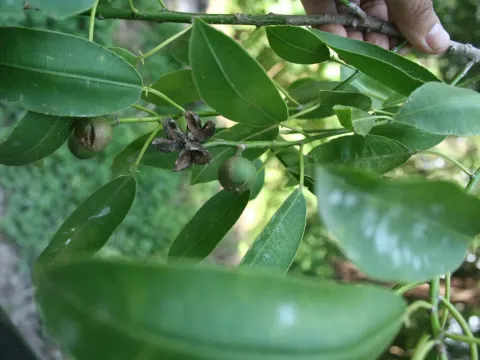
Sapium macrocarpum
Sapium macrocarpum
Sapium macrocarpum is a woody species belonging to the Euphorbiaceae family. This tree is native to the tropical and subtropical forests of the Americas, where it has adapted to environments with distinct dry seasons.
What the section contains
Sapium macrocarpum
The plant thrives in well-drained soils and requires significant sunlight to achieve optimal growth rates. It shows a remarkable physiological tolerance to low water availability, making it a suitable candidate for reforestation in arid landscapes.
Botanically, it is recognized by its milky latex and large fruit capsules which house the seeds. The tree can reach substantial heights, forming a robust canopy that provides shade and contributes to soil stabilization against erosion.
Cultivation practices involve selecting sites with good soil aeration to prevent waterlogging, which is detrimental to the species. Proper spacing is essential to ensure that each tree receives enough light and airflow to support its development.
Economically, the wood of Sapium macrocarpum is valued for its durability and utility in local carpentry. Beyond timber production, the species is frequently utilized in ecological restoration programs due to its resilience and environmental benefits.
The primary threats to Sapium macrocarpum include root pathogens that develop under conditions of poor soil drainage. Ensuring that the ground remains loose and aerated is the most effective preventative measure against these diseases.
Leaf-eating insects can cause significant foliage loss, particularly during the early stages of plant development. Integrated pest management strategies, such as promoting natural predators, are recommended to maintain tree vigor without excessive chemical use.
Wind damage is a risk for young trees that have not yet developed deep root systems. Providing temporary stakes and performing light pruning can help shape the tree and improve its structural integrity against heavy weather events.
Fungal infections of the bark, often triggered by physical injuries, can compromise the tree's vascular system. Treating open wounds with appropriate fungicides and sealants is vital to maintaining the long-term health of the wood.
Regular inspections are necessary to detect the presence of borers or other wood-destroying insects that might penetrate the bark. Early intervention is key to ensuring that the timber quality remains high throughout the tree's lifespan.