
Alchornea floribunda
Alchornea floribunda
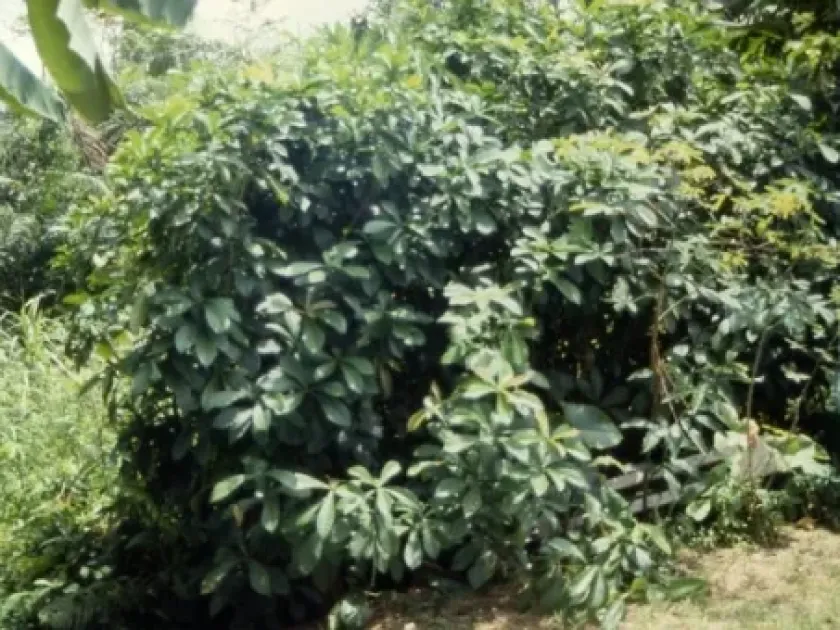
Description
Growing requirements
Alchornea floribunda is a significant woody species belonging to the Euphorbiaceae family. Originating from the tropical regions of Africa, this plant is increasingly recognized for its pharmacological potential and ecological role.
The species requires a humid tropical climate with consistent temperatures and high precipitation levels. It thrives in well-drained, nutrient-rich soils that possess moderate acidity, which is characteristic of the tropical forest floor ecosystem.
Agronomic management involves providing partial shade for younger plants and maintaining adequate soil moisture. The root system is delicate and requires aeration, making it susceptible to damage in waterlogged or heavily compacted soils.
Fertilization regimes should focus on organic amendments to sustain soil health and mimic the nutrient cycling of its natural forest habitat. Regular pruning is also advised to manage plant architecture and encourage vigorous growth of secondary branches.
Propagation is typically performed through seeds or semi-hardwood cuttings. Success in propagation relies heavily on maintaining a high-humidity environment and stable thermal conditions during the rooting phase.
Harvesting
Harvesting Alchornea floribunda is focused on extracting phytochemicals from the bark and leaves. The timing of the harvest is critical and should be scheduled when the concentration of bioactive alkaloids is at its maximum.
The extraction process involves careful stripping of the bark and collection of mature leaves. Workers are trained to ensure that the harvest does not cause irreversible damage to the primary trunk or the overall vitality of the plant.
Yield capacity is influenced by the soil quality and the age of the crop. Mature plantations, properly managed with consistent spacing, provide reliable annual yields of biomass for the pharmaceutical industry.
Post-harvest handling requires immediate processing, including cleaning and drying. The material should be kept out of direct sunlight to prevent the degradation of photosensitive active components during the drying process.
Final storage of the dried product must occur in moisture-controlled environments to prevent fungal growth. Maintaining these standards ensures the quality and market value of the harvested raw material remain high.