
Alchornea laxiflora
Alchornea laxiflora
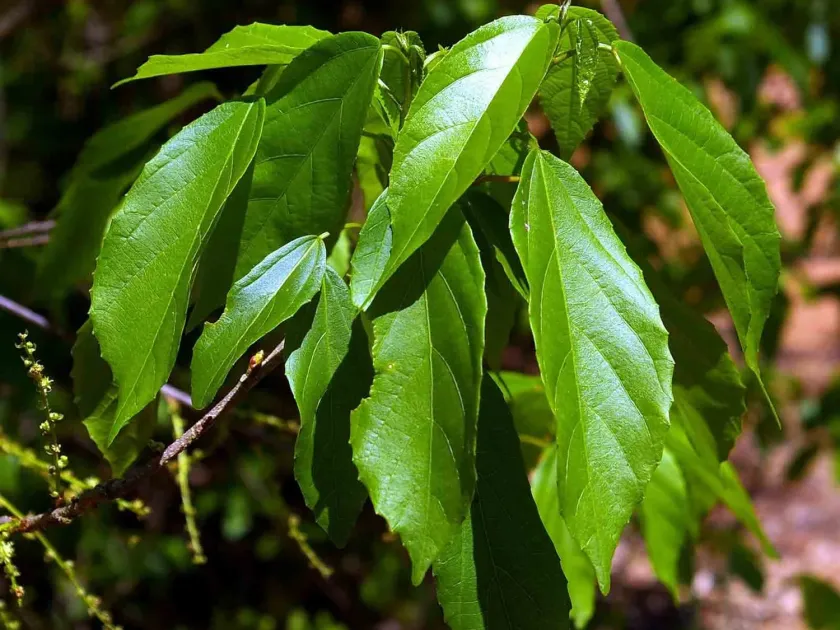
Description
Sowing dates
Propagation of Alchornea laxiflora is primarily achieved through seeds or stem cuttings, which are standard methods for establishing plantations in tropical climates. Successful germination requires fresh seeds, as their viability decreases rapidly if stored improperly for long periods.
Seeds should be sown in a well-draining, nutrient-rich potting medium, maintaining a constant temperature of approximately 25–28°C. High humidity is essential during the early stages of seedling growth to ensure healthy development of the primary root system.
For vegetative propagation, semi-hardwood cuttings are harvested and treated with rooting hormones before being placed in a greenhouse environment. This method ensures that the genetic characteristics of the parent plant are preserved in the next generation of crops.
Once seedlings have reached an adequate height and show sufficient leaf development, they are transplanted into nursery containers before field establishment. Proper hardening off is crucial for the survival of young plants when moved to the permanent growing site.
Routine care during the establishment phase includes consistent soil moisture management and light mulching to suppress weeds. Establishing a strong crop stand early in the season significantly improves resilience against environmental stressors.
Growing requirements
Alchornea laxiflora belongs to the Euphorbiaceae family and is native to the forest zones of Tropical Africa. It naturally thrives in areas with high annual rainfall, favoring environments such as forest edges, clearings, and gallery forest margins.
The plant requires deep, fertile, and well-aerated soils to perform well. While it prefers moist conditions, it is sensitive to waterlogged soils, which can induce root rot; therefore, selecting sites with natural slope or engineered drainage is highly recommended.
Climatic requirements are strictly tropical, necessitating stable high temperatures and consistent moisture throughout the year. The plant has little to no frost tolerance, making it suitable only for regions within the tropical climate belt.
Sunlight exposure should be managed carefully; while the species can grow in partial shade, optimal biomass production is observed in full sun provided that water availability is not limited. During prolonged dry spells, supplementary irrigation is beneficial for leaf development.
Agricultural management should prioritize soil fertility through organic amendments like compost or integrated nutrient management. The plant responds vigorously to nitrogen fertilization, which is essential when the primary harvest objective is the production of leafy biomass.
Yield
The yield of Alchornea laxiflora is largely concentrated on the vegetative biomass—leaves and tender stems—which are prized for their pharmacological properties. Harvesting frequency is influenced by the plant's regenerative rate, which typically peaks after the rainy season.
In addition to leafy material, the wood of Alchornea laxiflora is valued in local markets for its durability and flexibility. Management practices involve selective harvesting of mature wood without compromising the structural integrity of the plant or its future regrowth.
Strategic pruning techniques are utilized to increase the leaf surface area and promote branching. This approach maximizes the total output per individual plant, ensuring a sustained supply of raw material for pharmaceutical or local traditional use.
Post-harvest management is critical; leaves should be dried under controlled conditions to maintain the concentration of bioactive compounds. Efficiency in harvesting and drying directly impacts the economic viability of the agricultural enterprise.
Regular maintenance, including weeding and thinning of overcrowded bushes, helps sustain high yield levels over several years. Consistent monitoring of plant growth rates allows farmers to plan harvest cycles effectively based on seasonal moisture availability.
Main diseases and pests
Although generally robust, Alchornea laxiflora can be susceptible to various pests, particularly leaf-eating insects that target young, succulent growth. Integrated pest management strategies, focusing on biological controls, are preferred to maintain the quality of the raw material.
Fungal pathogens such as leaf spot diseases may appear in environments with poor air circulation or excessive canopy humidity. Thinning out the plantation density helps to mitigate these risks and ensures that plants remain healthy and productive.
Bacterial infections can sometimes enter through harvest wounds or storm damage. Sanitizing pruning tools and applying protective treatments to large cuts are essential practices to protect the plant population from secondary infection.
Environmental stress, such as extreme heat or prolonged drought, can leave the plant vulnerable to secondary infestations. Maintaining optimal soil health and moisture levels acts as the first line of defense against most common threats.
A proactive approach to crop protection includes regular scouting and the use of resistant varieties where available. By maintaining a diverse and healthy environment, farmers can significantly reduce the pressure from typical agricultural pests and pathogens.