
Alchornea triplinervia
Alchornea triplinervia
Description
Growing requirements
Alchornea triplinervia is a significant tree species belonging to the Euphorbiaceae family. It is recognized for its rapid growth rate and ability to colonize disturbed forest areas, making it a valuable species for ecological restoration and forestry.
The plant is native to the tropical forests of South America, particularly within the Atlantic Forest biomes of Brazil and Argentina. It thrives in humid tropical environments characterized by high annual precipitation and relatively stable temperatures throughout the year.
Agronomically, this species prefers deep, well-drained soils, although it exhibits significant resilience in various soil types. It is often found in transition zones between primary forests and secondary growth, showing an adaptive capacity to variable light conditions.
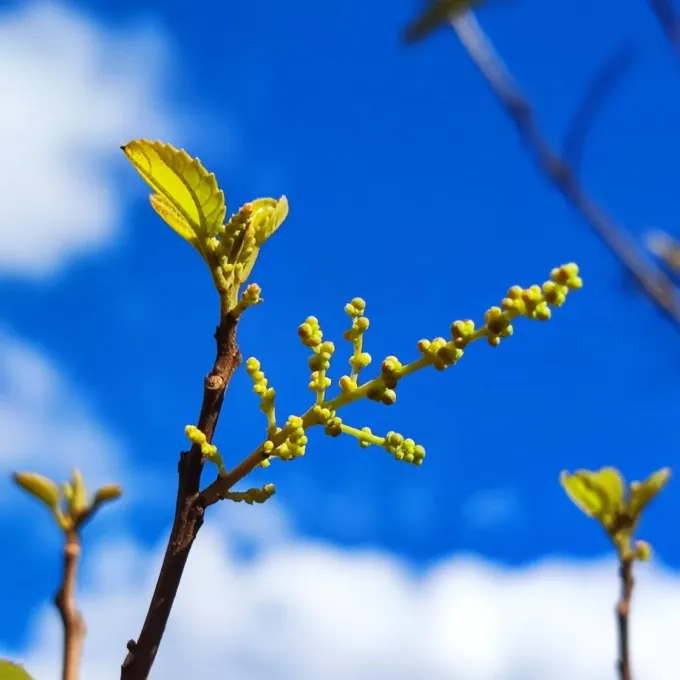
Botanically, Alchornea triplinervia is identified by its large, alternate leaves with distinct triplinerved venation. The species produces small flowers, typical of the Euphorbiaceae family, which develop into dry capsules, supporting local biodiversity by providing food for pollinators and birds.
Economically, the tree is utilized for its timber, which is appreciated for construction and carpentry purposes. Additionally, the plant contains bioactive compounds, leading to its extensive historical use in traditional medicine for treating inflammation and various skin conditions.
Main diseases and pests
The health of Alchornea triplinervia plantations can be challenged by various fungal diseases, especially in high-humidity climates. Common issues include leaf spot and root rot, which typically occur when air circulation around the crown is inadequate or soil drainage is poor.
Insect pests represent a persistent threat to the timber quality. Wood-boring beetles are of primary concern as they target the main stem, creating tunnels that degrade the wood's structural integrity and increase susceptibility to secondary rot infections.
Effective management strategies involve regular monitoring and the removal of infected plant materials to prevent the spread of pathogens. Maintaining sufficient spacing between trees during planting is essential to improve airflow and reduce fungal prevalence.
Environmental stress, such as extreme drought or waterlogging, can suppress the plant's natural defense mechanisms, making it more vulnerable to common pests. Providing appropriate site conditions is the most effective way to maintain high crop health.
Integrated pest management (IPM) practices, such as promoting natural predators and avoiding chemical over-reliance, are recommended for maintaining sustainable and productive stands of this species in agroforestry systems.