
Alchornea glandulosa
Alchornea glandulosa
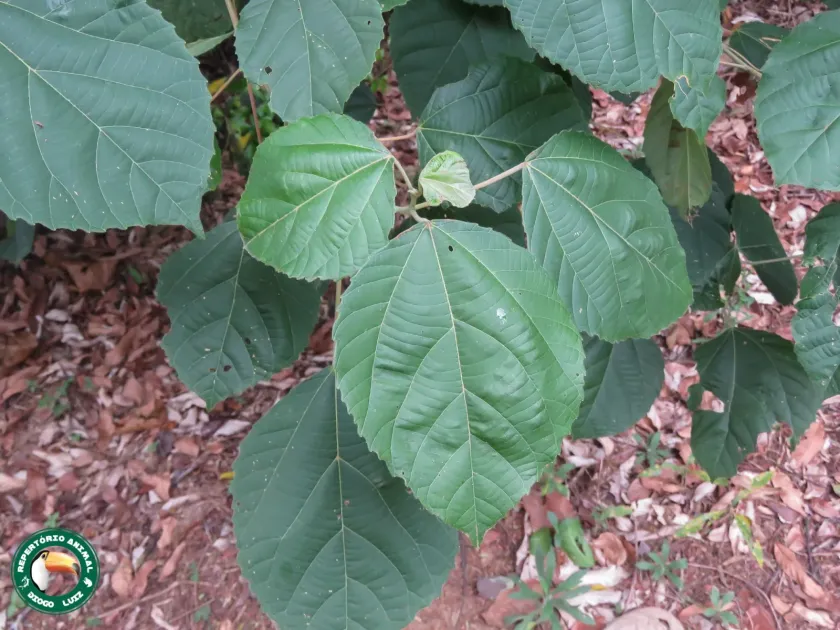
Description
Growing requirements
Alchornea glandulosa is a fast-growing tree species belonging to the Euphorbiaceae family, native to the tropical regions of South and Central America. It typically thrives in secondary forests and forest edges, where its rapid biomass accumulation makes it a key species for reforestation projects.
The cultivation of this species requires fertile, well-drained soils rich in organic matter. While it is adaptable to various soil types, the highest growth rates are observed in humid tropical conditions where the soil moisture remains consistent throughout the year.
Temperature requirements for optimal performance range between +20 and +30 degrees Celsius. As a tropical species, it is highly susceptible to frost damage, necessitating protection in areas that might experience occasional temperature drops below freezing.
Standard agronomic practices for this tree involve sufficient spacing to allow for full crown development. Because the species is light-demanding, it is essential to ensure that plantations are not overcrowded to prevent the suppression of growth in the lower branches.
Economically, Alchornea glandulosa is valued for its wood, which is utilized in local construction and for manufacturing agricultural tools. Furthermore, its role in ecological restoration is significant, as it quickly covers degraded ground and improves soil structure.
Main diseases and pests
The primary threats to this tree include fungal pathogens that develop under conditions of poor soil aeration or stagnant water. Implementing a proper drainage strategy is crucial for maintaining the long-term health and vigor of the plantation.
Pests, particularly defoliating insects and wood-boring beetles, can impact the growth rates of the trees. A robust monitoring program is highly recommended to identify potential outbreaks early and minimize the need for chemical intervention.