
Angulate spurge
Euphorbia angulata
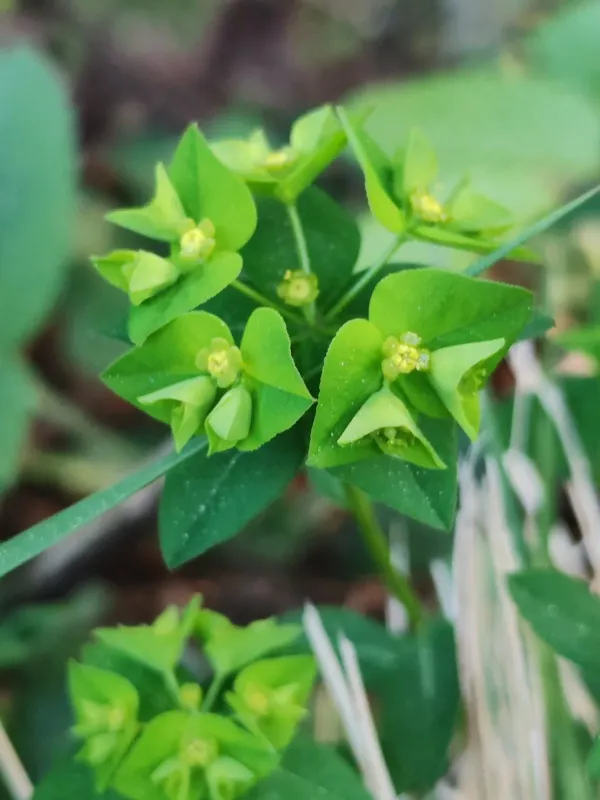
Description
Growing requirements
The Angulate spurge (Euphorbia angulata) is a herbaceous perennial belonging to the family Euphorbiaceae. It is typically found in shaded forest habitats and woodland edges within temperate regions.
The crop requires moist, well-draining soils rich in organic matter to achieve optimal growth rates. It thrives in partially shaded environments that mimic its natural forest floor habitat.
Temperature requirements for this species are moderate, as it has evolved to flourish in the temperate climate of Europe. It shows excellent resistance to frost during the winter dormancy period.
Soil cultivation should prioritize maintaining a neutral to slightly acidic pH level, which ensures better nutrient uptake and root system development for the plant.
Agricultural management includes site preparation that facilitates good drainage, as the species is highly sensitive to waterlogged conditions, which can lead to metabolic issues.
Main diseases and pests
Root rot is the most significant pathological threat to the crop, usually triggered by excessive moisture levels. Implementing strict drainage management is essential for long-term survival.
Aphids represent the primary insect pest, often targeting emerging spring shoots. Regular scouting of the fields is recommended to detect early infestations before they spread.
Powdery mildew is a common fungal issue that presents as a white powdery coating on leaves. It is often managed by improving air circulation through proper plant spacing.
Spider mites may affect the plants during prolonged dry spells. Irrigation strategies that help maintain adequate humidity around the canopy effectively mitigate this risk.
Overall, maintaining biological diversity in the surrounding area helps naturally regulate pest populations and promotes a more resilient crop environment.