
Alchornea davidii
Alchornea davidii
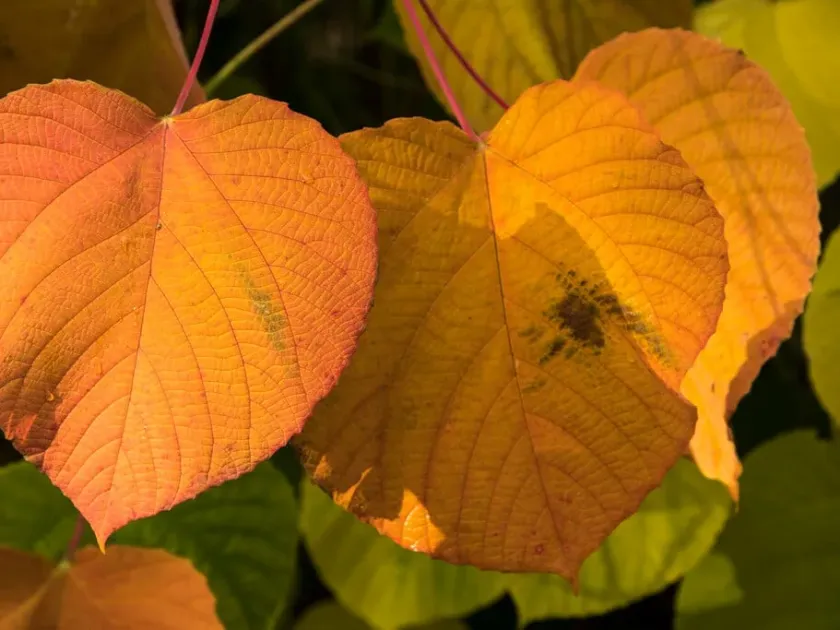
Description
Growing requirements
Alchornea davidii is a perennial woody shrub that belongs to the Euphorbiaceae family. This species is native to specific forest habitats, showcasing unique botanical traits that are highly valued in both ecological studies and agricultural research regarding secondary crops.
The plant thrives in fertile, well-drained loamy soils. It is particularly sensitive to soil compaction and waterlogging, meaning that site selection for cultivation must prioritize aeration and natural drainage to ensure the health of its root structure throughout the growing season.
Environmental requirements for this culture involve a moderate climate with consistent humidity levels. It performs best in sheltered locations that provide diffused light, effectively mimicking the natural light conditions of the forest understory where this species originally evolved.
Agricultural management of Alchornea davidii focuses on balanced nutrient supply and careful hydration strategies. During the initial growth phase, consistent moisture is necessary, but as the shrub matures, it exhibits moderate resilience to short dry spells, provided the root zone remains protected.
In terms of economic utility, this plant is increasingly recognized for its chemical composition. It is harvested for specialized botanical extracts used in pharmaceutical research, while also maintaining a reputation as a resilient ornamental plant for controlled landscape environments.