
Alchornea trewioides
Alchornea trewioides
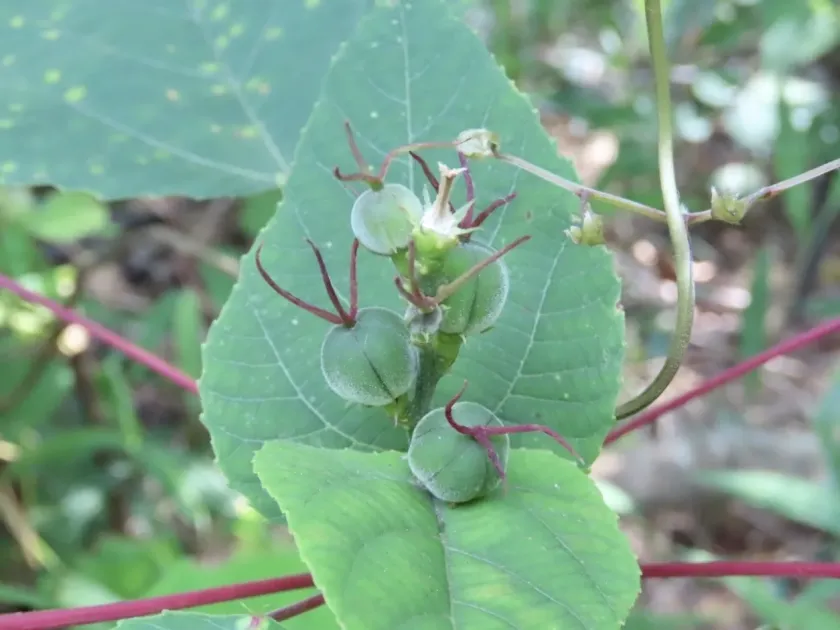
Description
Growing requirements
Alchornea trewioides is a woody shrub belonging to the Euphorbiaceae family. Native to the subtropical and tropical regions of East and Southeast Asia, particularly southern China, this species thrives in humid forest environments and disturbed land areas.
The plant requires a warm tropical climate to prosper, with an ideal temperature range between 20°C and 30°C. It is extremely frost-sensitive and requires a frost-free environment year-round, along with consistent high atmospheric humidity for optimal metabolic activity.
Soil requirements focus on fertility and drainage. The plant prefers deep, well-draining, nutrient-rich soils with a slightly acidic to neutral pH. It is highly intolerant of waterlogged conditions, which can quickly lead to root rot and total loss of the crop.
Cultural practices emphasize the need for adequate light exposure. While young saplings may benefit from partial shade to establish their root system, mature specimens prefer full sun to semi-shade conditions to ensure biomass production and leaf health.
Economically, Alchornea trewioides is valued for its bioactive secondary metabolites. The leaves and bark are traditionally studied for their anti-inflammatory and antiseptic properties, making the plant a candidate for sustainable harvesting in botanical pharmaceutical production.
Main diseases and pests
Fungal pathogens are the primary threat to Alchornea trewioides, particularly under conditions of poor airflow and excessive humidity. Symptoms often manifest as necrotic spots on leaves or sudden wilting due to crown and root decay.
Insect pests, including spider mites, scale insects, and aphids, are common problems in tropical nursery settings. These pests cause significant stress to the plants by feeding on sap and potentially spreading viral or bacterial pathogens throughout the plantation.
Weed control is essential, as invasive species can quickly outcompete the young shrubs for nutrients and moisture. Regular mechanical weeding or organic mulching helps mitigate competitive pressure and reduces the habitat for many ground-level pests.
Crop management should include periodic monitoring for signs of infestation. Integrated pest management (IPM) techniques, including the use of neem oil or biological controls, are highly effective in managing pest populations without damaging the plant's delicate tissues.
Proper spacing during the planting phase is vital to maintain adequate airflow between specimens. This simple structural management practice drastically reduces the incidence of powdery mildew and other airborne fungal diseases that thrive in dense plantings.