
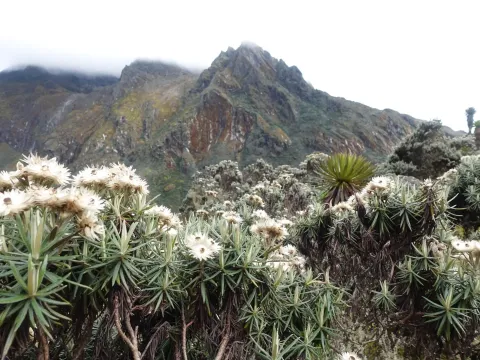
Erica trimera
Erica trimera
Erica trimera is a high-altitude evergreen shrub belonging to the Ericaceae family. This species is native to the afro-alpine regions of Eastern Africa, thriving in environments characterized by high moisture and cool temperatures.
What the section contains
Erica trimera
In terms of cultivation, this species requires specific environmental conditions that mirror its natural mountain habitat. It prefers areas with cool, temperate climates and avoids regions with excessively hot and dry summer months.
The soil requirements are strict: the plant necessitates acidic, well-draining soil with a high content of organic matter. Peat-based or specialized ericaceous substrates are ideal for ensuring the health and vitality of the root system.
Botanically, Erica trimera is known for its resilient growth habit and ability to withstand high wind exposure. Its small, needle-like leaves allow for moisture retention, which is an adaptation to its natural mountain climate.
As a garden plant, it is highly valued for its elegant, low-growing form and its ability to provide structural interest throughout the year. It works exceptionally well in rock gardens, scree beds, or as a feature in cool-climate borders.
The primary threat to the vitality of Erica trimera is the onset of fungal diseases related to poor drainage. Waterlogging creates an environment conducive to root rot, which is often fatal if not diagnosed early.
In humid or stagnant conditions, grey mould (Botrytis) may affect the foliage, particularly during the dormant season. Ensuring adequate air circulation between plants is the most effective cultural method for prevention.
Insects like spider mites or aphids may occasionally colonize the shrub during periods of drought stress. Regular misting or the use of targeted biological controls can prevent these infestations from causing significant damage.
Nutrient deficiency, specifically the inability to absorb iron due to incorrect soil pH, frequently manifests as yellowing foliage. Maintaining the acidity of the growing medium is essential for preventing these symptoms.
Integrated pest management in this species focuses on maintaining a stress-free environment. By optimizing soil acidity and drainage, the majority of pathogenic issues are mitigated before they can compromise the plant.