
Erica sessiliflora
Erica sessiliflora
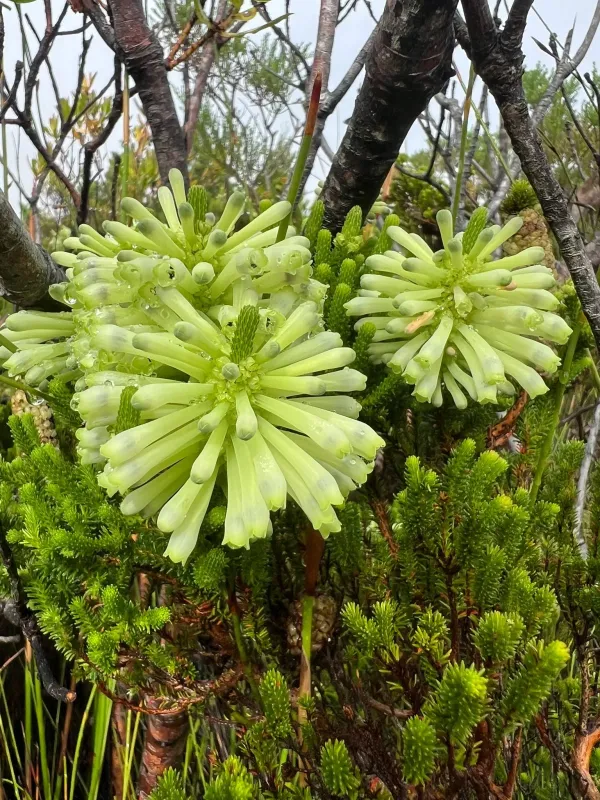
Description
Growing requirements
Erica sessiliflora is a prominent species within the Ericaceae family, originating from the diverse botanical landscapes of South Africa. It is a perennial shrub known for its sessile flowers that emerge directly from the stems, lacking distinct stalks.
Successful cultivation of this species requires strict adherence to soil acidity levels. A pH range between 4.5 and 5.5 is necessary to mimic the natural habitats of the Cape region, where the plant thrives in leached, acidic sands.
Water management is the most challenging aspect of growing this plant. The root system is extremely sensitive to waterlogging, necessitating a highly porous, well-draining substrate to prevent root rot and ensure proper oxygen exchange.
Environmental conditions must prioritize adequate light intensity and high air humidity. While the plant appreciates solar exposure, intense direct heat during the afternoon can scorch the delicate foliage if the air is too dry.
Professional agrotechnical management involves regular mulching to keep the roots cool and moist. Using leaf mold or pine needles as mulch provides both organic material and natural acidification for the root zone.
Main diseases and pests
The most common disease affecting the plant is root rot, typically caused by Phytophthora fungi. This often stems from improper drainage and excessive soil moisture, leading to rapid plant decline.
Pests such as spider mites are frequently problematic in indoor or greenhouse settings where the air is stagnant. Consistent monitoring of the lower leaf surfaces is recommended to catch infestations early.
Chlorosis is a frequent physiological disorder observed when the soil pH rises above the optimal threshold. This prevents the uptake of essential micronutrients, particularly iron, leading to visible yellowing of the foliage.
Mealybugs can occasionally infest the stems and axils of the leaves. Manual removal combined with biological control agents is the preferred method for managing these pests without harming the environment.
Fungal infections of the foliage, such as Botrytis, can appear during periods of high humidity and poor ventilation. Pruning to maintain an open canopy structure is essential for preventing the spread of these pathogens.