
Enkianthus nudipes
Enkianthus nudipes
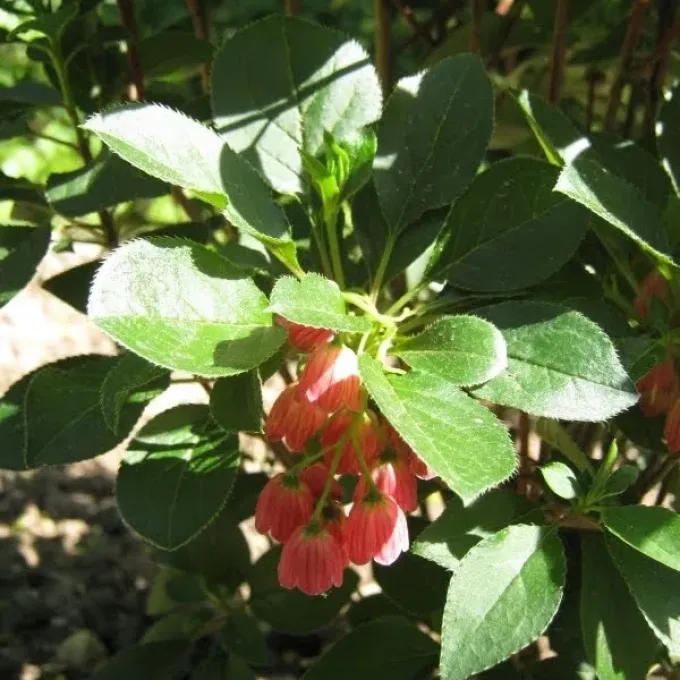
Description
Growing requirements
Enkianthus nudipes is a captivating deciduous shrub belonging to the Ericaceae family, native to the woodlands of Japan. It is highly valued in horticulture for its distinct horizontal branching habit, pendulous bell-shaped flowers, and spectacular fiery autumn foliage colors.
The plant thrives in partial shade with protection from strong, drying winds. While it enjoys a bright environment, direct midday sun should be avoided to prevent foliar scorch. In its natural habitat, it grows as an understory plant, making it an excellent candidate for shaded garden corners.
Soil requirements are strict: Enkianthus nudipes demands acidic, well-draining, and moisture-retentive soil rich in organic matter. A pH level between 4.5 and 5.5 is essential. If the soil is alkaline, the plant will struggle to absorb nutrients, leading to poor growth and leaf chlorosis.
Agricultural practice focuses on maintaining consistent soil moisture without allowing waterlogging. Applying a layer of organic mulch, such as pine bark or peat, around the base of the shrub is crucial. This practice helps maintain soil acidity, retains moisture, and protects the sensitive surface roots from extreme temperatures.
Regarding climate, the plant prefers temperate conditions with moderate to high humidity. In colder regions, providing a sheltered microclimate is necessary to ensure the survival of the flower buds through the winter, as sudden late frosts can compromise the spring blooming display.
Main diseases and pests
The most significant threat to Enkianthus nudipes is root rot caused by poor soil drainage and waterlogging. Once the root system is compromised by fungal pathogens like Phytophthora, the plant's recovery is difficult, emphasizing the need for a well-prepared planting site.
Iron chlorosis is a common physiological disorder, particularly when the plant is grown in soil with high calcium content or watered with hard tap water. Symptoms include yellowing leaves with green veins, which requires immediate soil acidification and the use of chelated iron supplements.
Pests such as spider mites may infest the foliage during hot, dry summer months. These mites suck sap from the leaves, causing them to turn bronze or stippled. Maintaining high humidity around the plant and regular inspection are the primary methods of prevention and control.
Caterpillars and certain beetles can occasionally cause defoliation during the growing season. While these pests rarely kill a healthy, mature shrub, they can significantly reduce its aesthetic appeal. Manual removal or environmentally friendly insecticidal soaps are recommended for management.
To keep the plant healthy and prevent the build-up of pathogens, routine sanitation is necessary. This involves removing any dead or diseased branches after the flowering period. Proper spacing between other garden plants also ensures good airflow, which is critical for reducing fungal leaf spot issues.