
Enkianthus serrulatus
Enkianthus serrulatus
Description
Growing requirements
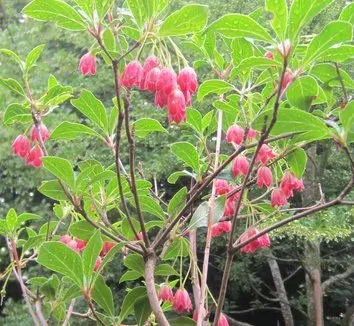
Enkianthus serrulatus is a deciduous ornamental shrub belonging to the Ericaceae (Heath) family. It is highly valued in horticultural circles for its elegant bell-shaped flowers and vibrant foliage that turns brilliant shades of red and orange in the autumn.
Native to the forests of China, this species is adapted to mild-temperate climates. Its cultivation requires specific conditions that mimic its natural habitat, particularly regarding soil composition and local microclimate management.
The primary requirement for success is highly acidic soil (pH 4.5–5.5). The medium must be rich in organic matter, such as peat or leaf mold, and possess excellent drainage capabilities to prevent the accumulation of stagnant water around the root zone.
Planting locations should offer partial shade, particularly protecting the foliage from intense afternoon heat. Exposure to excessive direct sunlight can scorch the leaves, whereas proper placement ensures deep green foliage and prolific blooming.
In landscaping, Enkianthus serrulatus serves as a premium architectural plant. It is frequently utilized in woodland gardens, as a stunning specimen plant, or as part of a collection of acid-loving shrubs alongside azaleas and pieris.
Main diseases and pests
Biological threats to this species include soil-borne pathogens, most notably phytophthora and other fungi associated with waterlogged or poorly aerated soils. Root rot is the most common cause of decline in poorly maintained specimens.
Pests are generally limited, but the plant can be susceptible to spider mites during prolonged dry periods. Maintaining atmospheric humidity around the foliage and ensuring consistent soil moisture helps the plant maintain its natural resistance to environmental stress.