
Enkianthus ruber
Enkianthus ruber
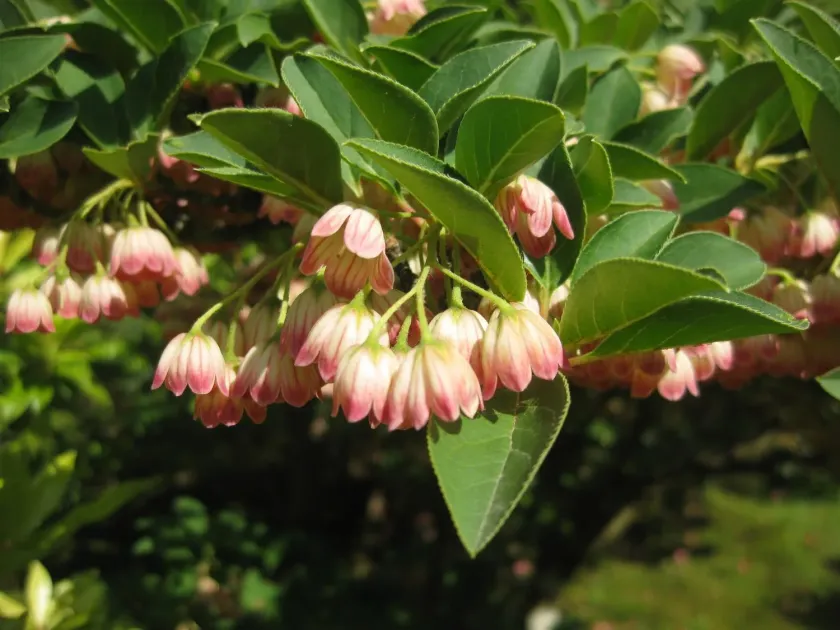
Description
Growing requirements
Enkianthus ruber is a striking deciduous shrub that belongs to the Ericaceae family. Known for its elegant clusters of bell-shaped flowers and vibrant foliage, it serves as a sophisticated addition to any temperate climate garden.
The native range of this species is located in East Asian forests, where it thrives in cool and humid conditions. It is best suited for sheltered sites where it can be protected from strong, drying winds during both summer and winter.
The culture requires acidic, well-draining, and humus-rich soil to flourish. If the soil is heavy or alkaline, it is crucial to amend it with pine bark or peat moss to ensure optimal growth and nutrient uptake.
Partial shade is the ideal location for this shrub, as it protects the delicate foliage from excessive sun exposure. Consistent moisture is necessary, and gardeners should prioritize using rainwater or filtered water to maintain the correct pH levels.
This shrub is widely used in landscape architecture to add structure and seasonal color. Its ability to turn deep shades of red in the autumn makes it a prized specimen for borders and woodland garden designs.
Main diseases and pests
Fungal diseases are the primary concern for Enkianthus ruber, particularly when plants are grown in poorly ventilated or waterlogged conditions. Root rot can occur quickly if drainage is insufficient.
Spider mites are a common pest, especially in environments with low humidity. Gardeners should monitor the underside of the leaves regularly and maintain adequate humidity levels to discourage these pests.
Aphids may target the young, tender growth in spring, causing curled leaves and stunted development. If an infestation is identified, mild insecticidal soaps or systemic treatments can effectively manage the population.
Soil-borne pathogens can also affect the root system, so maintaining good hygiene in the garden is essential. Avoid excessive nitrogen fertilization, as it can create overly lush growth that attracts more pests.
Mulching is a vital maintenance practice that protects the shallow roots and preserves moisture. By using organic matter such as pine needles, one can simulate the natural forest floor conditions that the plant prefers.