
Enkianthus subsessilis
Enkianthus subsessilis
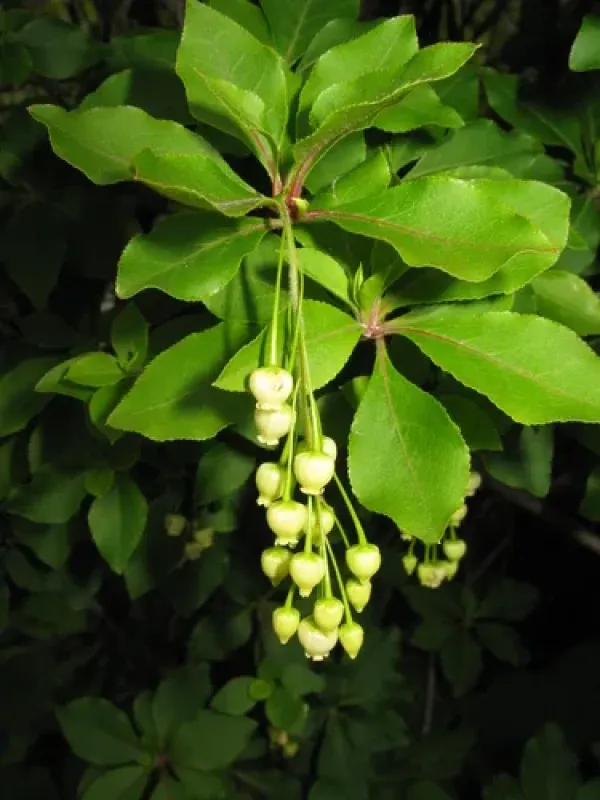
Description
Growing requirements
Enkianthus subsessilis is a deciduous shrub belonging to the Ericaceae family, native to the mountainous regions of Japan. It is highly valued in horticulture for its distinct horizontal branching habit and spectacular autumn foliage colors, ranging from scarlet to deep orange.
The shrub typically reaches a moderate height, making it an excellent candidate for woodland gardens or as a specimen plant in shady borders. Its small, bell-shaped flowers add a subtle elegance to the spring landscape.
To ensure optimal growth, this plant requires acidic soil with a pH range between 4.5 and 5.5. Sandy or loamy soils enriched with organic matter, such as peat or leaf mold, provide the best conditions for its fine, fibrous root system.
Light levels are crucial for this species. While it can tolerate partial sun in cooler climates, it generally thrives in dappled shade where it is protected from the scorching afternoon sun and drying winds that can cause leaf scorch.
Consistent moisture is vital throughout the growing season. Mulching the base of the plant with pine needles or bark helps retain soil moisture, maintain acidity, and protect the shallow roots from temperature fluctuations.
Main diseases and pests
The primary health risk for this shrub is root rot caused by poor soil drainage. Ensuring that the planting site has excellent water permeability is the most effective preventative measure against fungal pathogens in the root zone.
Spider mites represent the most common pest threat, particularly during prolonged periods of hot, dry weather. They feed on the underside of leaves, causing yellowing and premature leaf fall if left untreated.
Aphids occasionally colonize fresh spring shoots. If the infestation is light, they can be manually removed or washed off with a gentle stream of water, though severe cases may require targeted insecticidal soap applications.
Powdery mildew can occur in areas with poor air circulation. Proper spacing between plants and thinning out overcrowded branches helps to minimize humidity buildup around the foliage and reduce the risk of infection.
Overall, maintaining the plant's health through appropriate fertilization designed for ericaceous plants and ensuring consistent hydration will significantly bolster its resistance to common diseases and pests.