
Enkianthus cernuus
Enkianthus cernuus
Description
Growing requirements
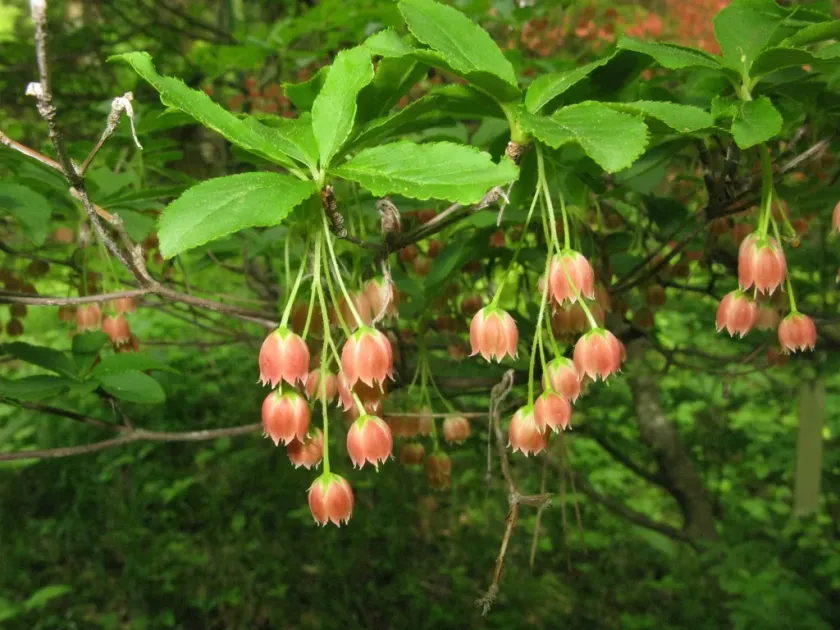
Enkianthus cernuus is a deciduous shrub species belonging to the Ericaceae family, widely appreciated for its delicate, bell-shaped hanging flowers.
The plant originates from the mountainous regions of Japan, where it typically thrives in forest clearings and areas with high atmospheric humidity.
To ensure healthy growth, the plant requires acidic soil conditions with a pH level ranging from 4.5 to 5.5, similar to other members of the heath family.
It prefers a location with dappled shade or partial sun, as direct harsh sunlight can scorch its leaves, especially in warmer summer temperatures.
The agricultural practice for this species centers on maintaining consistent moisture levels while ensuring the soil remains light and well-draining.
Main diseases and pests
Root rot is the most serious threat to Enkianthus cernuus, usually caused by stagnant water or compacted, poorly drained soil conditions.
Iron chlorosis is a common physiological issue occurring in alkaline soils, where the plant's inability to uptake nutrients leads to yellowing foliage.
Spider mites can become a significant pest during hot, dry spells, as they thrive in low humidity and can rapidly damage the plant's leaves.
Fungal infections, such as powdery mildew, may occur if the planting density is too high, preventing proper air circulation around the foliage.
Effective management includes maintaining optimal soil pH, ensuring proper spacing, and monitoring leaves for early signs of mite infestation or discoloration.