
Enkianthus sikokianus
Enkianthus sikokianus
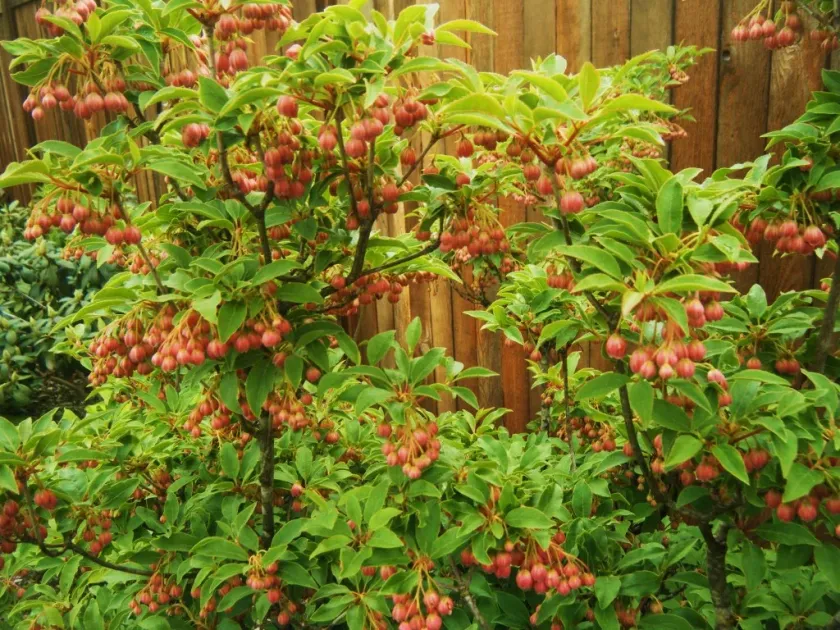
Description
Growing requirements
Enkianthus sikokianus is a deciduous ornamental shrub belonging to the Ericaceae family. Native to the mountainous regions of Japan, this plant has adapted to cool, moist environments and high-altitude forest conditions.
This species is strictly acidophilic, requiring soil with a pH ranging from 4.5 to 5.5. It thrives in well-drained, organic-rich substrates. Presence of lime or heavy clay in the soil often leads to chlorosis and stunted development.
In terms of light exposure, Enkianthus prefers partial shade. While it can tolerate some sun in cooler northern climates, harsh afternoon heat can damage its delicate foliage, making a sheltered position ideal for its long-term health.
Cultivation practices emphasize the importance of consistent soil moisture. Mulching with pine needles or acidic peat is standard practice to stabilize the root zone temperature and maintain the required soil acidity level throughout the growing season.
Propagation is typically achieved through semi-ripe cuttings taken in late summer. As the plant grows slowly, it does not require significant pruning; simple removal of dead wood and maintaining the plant's natural shape is sufficient.
Main diseases and pests
The primary health threat to Enkianthus sikokianus is fungal root disease caused by poor drainage. Excess water around the roots rapidly leads to crown rot and severe decline in plant vigor.
Pest issues are generally minimal, but spider mites can occasionally infest plants kept in overly dry or hot environments. Maintaining ambient humidity through misting or site selection effectively prevents these outbreaks.
Physiological chlorosis frequently occurs if the soil pH shifts toward alkaline levels. Yellowing of the leaves is a clear indicator that the plant is unable to absorb essential micronutrients like iron, necessitating soil treatment.
Winter damage to young growth can expose the shrub to secondary bacterial infections. Providing adequate winter protection and ensuring the plant enters dormancy well-hydrated helps mitigate the risk of frost-related injuries.
General management to avoid disease involves avoiding overhead irrigation in the late evening, which keeps foliage dry and prevents fungal growth. Fungicides should only be employed if professional diagnosis confirms a severe pathogen attack.