
Enkianthus deflexus
Enkianthus deflexus
Description
Growing requirements
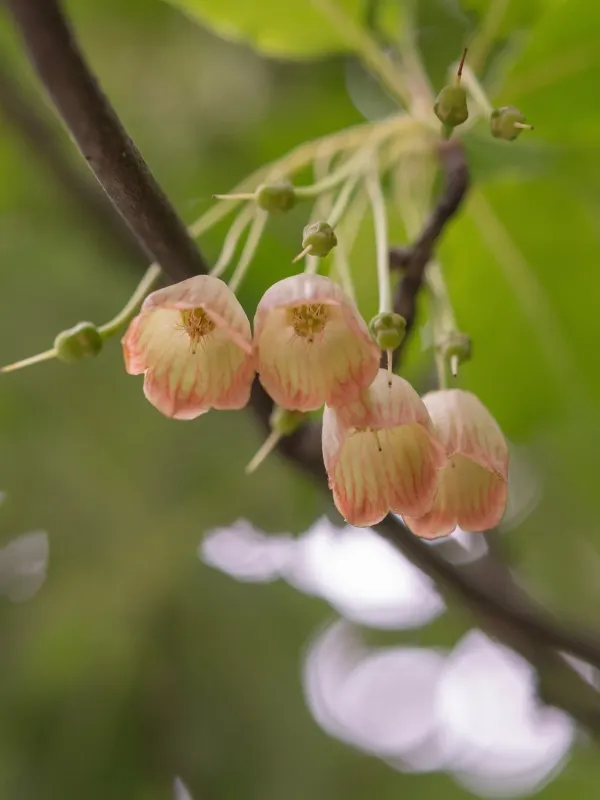
Enkianthus deflexus is a deciduous shrub belonging to the Ericaceae family. It is native to the mountain forests of China and the Himalayas, characterized by its elegant, drooping clusters of bell-shaped flowers that appear in spring.
The cultivation of this species requires specific soil conditions, namely acidic, humus-rich, and well-draining soil. It thrives in environments similar to those preferred by rhododendrons, where the roots remain cool and moist throughout the growing season.
Climatic requirements involve protection from harsh, drying winds and intense midday sun. It prefers partial shade, which protects the foliage from burning and helps maintain the required soil moisture levels in its native temperate zones.
The agrotechnical approach focuses on consistent moisture management. It is crucial to use soft, low-calcium water for irrigation, as alkaline buildup quickly harms the plant. A thick layer of organic mulch, such as pine bark, is essential to regulate soil temperature.
It is primarily grown as an ornamental plant in specialized ericaceous gardens or as an architectural feature in woodland landscapes. Its seasonal changes, especially the brilliant red and orange autumn leaf colors, make it highly desirable for collectors.
Main diseases and pests
Root rot is the most significant threat to Enkianthus deflexus, often caused by waterlogged soil conditions. Ensuring proper drainage at the planting site is the most effective preventative measure against fungal pathogens.
Spider mites are frequent pests in hot and dry weather. They feed on the underside of leaves, causing discoloration and leaf drop. Keeping the atmosphere humid around the foliage helps to deter these pests from establishing colonies.
Chlorosis is a common physiological issue in this species, usually manifesting when the soil pH rises above the optimal range. Regular testing and the use of iron chelate supplements can rectify this condition and restore leaf greenness.
Aphids may occasionally attack the tender growth tips during the spring flush. While usually minor, infestations should be managed with insecticidal soap or biological control agents if they start to stunt the shrub's growth.
Overall plant health is best maintained through proper site selection and soil maintenance. Avoiding deep cultivation around the root zone is vital to prevent mechanical damage to the fine, shallow root system typical of the Ericaceae family.