
Elaeocarpus pedunculatus
Elaeocarpus pedunculatus
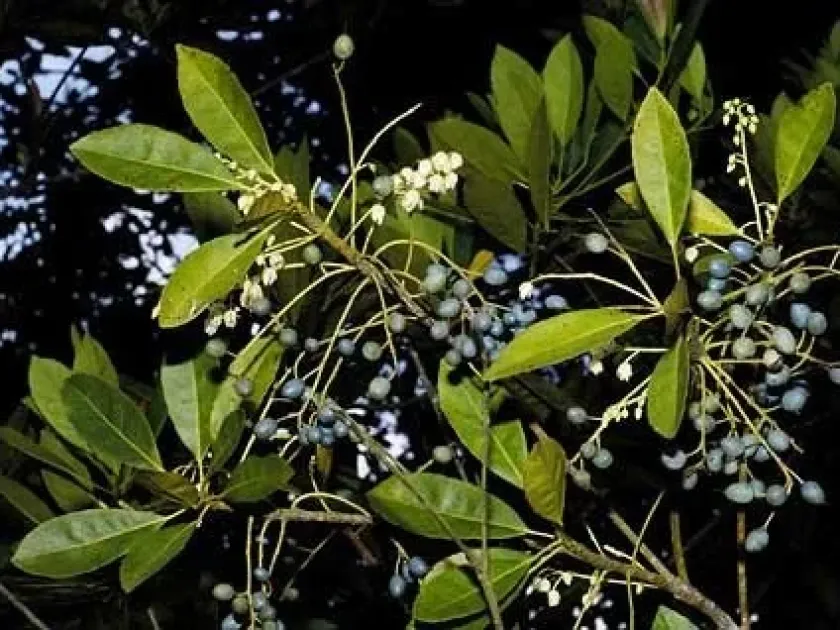
Description
Growing requirements
Elaeocarpus pedunculatus is a distinct species belonging to the Elaeocarpaceae family. This evergreen tree is native to tropical and subtropical regions, where it typically thrives in humid environments protected from harsh weather conditions and direct, scorching sunlight.
The cultivation of this plant requires a specific climate characterized by warm temperatures throughout the year and high levels of atmospheric moisture. It is particularly sensitive to frost, which limits its outdoor propagation to regions that maintain mild temperatures during winter months.
Soil composition is crucial for the healthy development of Elaeocarpus pedunculatus. It prefers deep, nutrient-rich, and well-drained soils. A pH balance that leans towards slightly acidic is generally considered optimal for nutrient uptake and overall vitality of the tree.
Botanically, the species is defined by its unique foliage and structure. The leaves are typically stalked (pedunculate), providing the base for the botanical name. The tree displays a symmetrical growth habit, which makes it highly desirable for specific landscaping applications in warm climates.
Economically, the tree is primarily utilized in the ornamental sector. Due to the beauty of its floral displays and its sturdy structure, it serves as an excellent specimen plant for parks and botanical gardens in areas where the climate mimics its natural habitat.
Main diseases and pests
The primary threats to the health of this species involve fungal pathogens that affect the root system, especially in soils with poor drainage. Once root rot is established, recovery is challenging and often leads to the decline of the individual tree.
Pest pressures include various sap-sucking insects and scale, which can significantly weaken young trees. Consistent management through integrated pest control programs is essential to ensure the longevity and health of the plantation.