
Echinopsis eyriesii
Echinopsis eyriesii
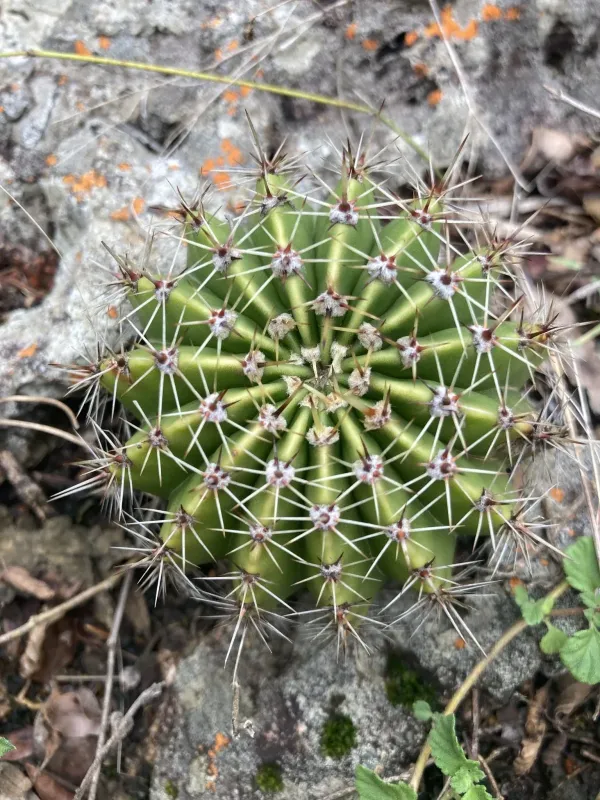
Description
Sowing dates
Propagation of Echinopsis eyriesii is effectively achieved through seeds or by harvesting and rooting the lateral offsets that naturally develop at the base of the main plant.
Sowing seeds is best performed in the spring, ensuring that the seedlings receive maximum natural light during the critical germination phase in the first few months.
A well-draining, mineral-based substrate is essential for seed starting, as high moisture retention can easily lead to damping-off disease in young succulent seedlings.
Keeping the germination containers in a warm, bright location with temperatures consistently between 22 and 25 degrees Celsius will promote steady and uniform growth.
Once the seedlings develop their first spines and reach a reasonable size, they should be transplanted into individual pots to encourage stronger root system development.
Growing requirements
Echinopsis eyriesii belongs to the Cactaceae family, known for its globular to columnar habit and its remarkable ability to produce large, night-blooming flowers.
This species requires high light intensity to thrive; full sun or bright filtered light is preferred to maintain the plant's structural integrity and encourage flowering.
The soil requirements focus on excellent drainage; a commercial cactus mix amended with coarse grit or perlite is generally sufficient for healthy long-term growth.
Watering should be generous during the active growing season, but it is critical to allow the soil to dry out completely between waterings to prevent root decay.
The dormancy period during winter requires cooler temperatures, ideally between 10 and 12 degrees Celsius, with significantly reduced watering to trigger the blooming cycle.
Main diseases and pests
Common pests affecting this cactus include mealybugs and spider mites, which can severely weaken the plant if left untreated during the warmer summer months.
Root rot is the most frequent ailment, typically resulting from poor drainage or excessive moisture retained within the substrate during lower temperature periods.
Regular monitoring of the epidermis for soft spots, discoloration, or signs of pests is the most effective strategy for maintaining a healthy Echinopsis collection.
Using sterile potting tools and fresh, high-quality soil helps minimize the risk of introducing soil-borne pathogens into your succulent collection.
If an infestation occurs, treating the plant with specific horticultural oils or systemic pesticides is recommended to effectively eradicate the pest population.