
Elaeagnus loureiroi
Elaeagnus loureiroi
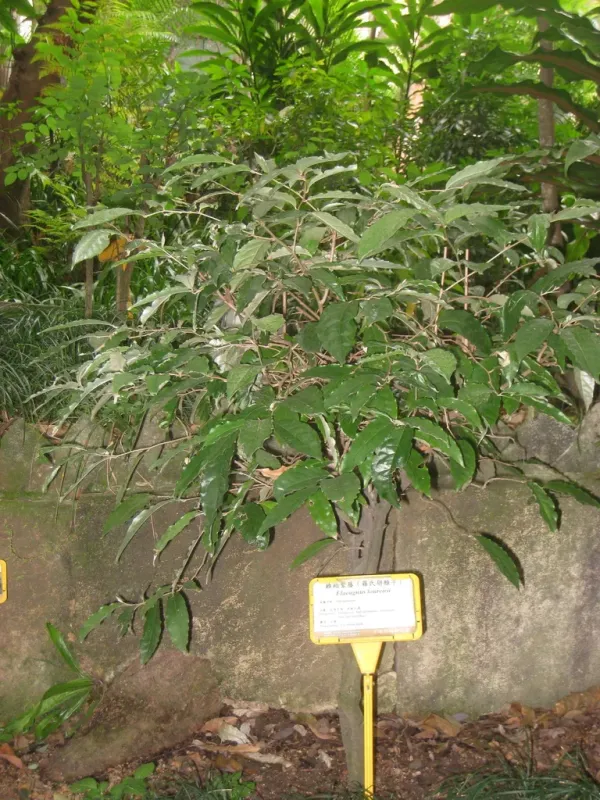
Description
Sowing dates
The planting of Elaeagnus loureiroi is typically conducted during the dormant season, either in early spring or late autumn. This timing allows the root system to establish itself before the onset of extreme temperatures or active vegetation growth.
Propagation is generally achieved through seeds, which require a cold stratification process to break dormancy. Sowing in prepared nursery beds during the fall allows for natural stratification throughout the winter months.
Cutting propagation is also a viable method to maintain genetic consistency of desirable cultivars. Using semi-hardwood cuttings treated with rooting hormones in a humid environment significantly increases the success rate.
When transplanting young plants into the field, adequate spacing—at least two to three meters—is essential. This spacing provides enough room for crown development and minimizes competition for water and nutrients.
Site preparation involves clearing the ground of competing weeds and incorporating organic matter into the soil. Ensuring the root collar is positioned at the correct level is critical to avoid collar rot.
Growing requirements
Elaeagnus loureiroi thrives in full sun, which is necessary for optimal fruit production and overall plant health. Shaded areas lead to spindly growth and reduced flower bud differentiation.
The species is adaptable to various soil types but performs best in well-drained, sandy-loam soils. It is particularly tolerant of poor soils, as it possesses the ability to fix atmospheric nitrogen via symbiotic relationships with microorganisms.
Water requirements are moderate once the plant is established, as the leaves possess silvery scales that reflect sunlight and reduce transpiration. Supplemental irrigation is advisable during extended dry spells to ensure consistent fruit size.
Temperature tolerance is broad, though protection from harsh, desiccating winter winds is recommended in colder regions. The plant generally performs well in temperate climates without the need for intensive climate control.
Fertilization is rarely intensive due to the plant's nitrogen-fixing capabilities. However, a balanced NPK fertilizer applied in early spring can boost vegetative growth in nutrient-deficient soils.
Yield
The primary economic use of Elaeagnus loureiroi is the harvesting of its edible fruits. These fruits are rich in vitamins, especially Vitamin C, and possess high antioxidant activity, making them valuable in the nutraceutical market.
Yield stability is achieved through consistent pruning, which promotes the growth of younger, more productive branches. Commercial yields typically increase significantly once the plant reaches its fifth to seventh year.
Fruits are processed into various products, including preserves, juices, and health supplements. Their unique flavor profile, often described as tart yet sweet, is favored in gourmet food applications.
The shrub is also highly valued for its environmental services, including soil erosion control and land reclamation. Its root system helps stabilize slopes, making it a sustainable choice for ecosystem restoration.
In addition to fruits, the plant's decorative appeal and fragrant flowers make it a candidate for integration into permaculture systems and ornamental fruit gardens.
Main diseases and pests
Pest management primarily focuses on controlling aphids and scale insects, which can weaken the plant by extracting sap from tender new growth. Integrated pest management using beneficial predatory insects is highly effective.
Fungal diseases like powdery mildew may occur if air circulation within the shrub is poor. Pruning the center of the canopy helps maintain airflow and significantly reduces the incidence of such infections.
Sanitation is key to disease prevention; all fallen leaves and infected twigs should be removed from the site to disrupt the pathogen life cycle. Regular inspection during the growing season is essential for early intervention.
While the plant is generally robust, severe infections may require the application of organic fungicides or horticultural oils. Timing is critical, with treatments applied best during the early stages of disease appearance.
Maintaining vigorous health through proper irrigation and nutrient management acts as the best defense against pests and diseases, ensuring the plant stays resilient against seasonal stresses.
Harvesting
Harvesting is performed manually when fruits reach full maturity, indicated by their deep color and soft texture. Care should be taken to handle the fruit gently to prevent bruising, which accelerates spoilage.
It is recommended to harvest in the morning after the dew has evaporated, as dry fruit has a longer shelf life. Protective gear is necessary to handle the plant comfortably, as some branches may have sharp spines.
Post-harvest handling requires quick cooling of the fruit to preserve its nutritional content and flavor. The fruits can be stored in temperature-controlled facilities for a limited time before processing.
For long-term storage, fruits are traditionally dried or frozen. Drying concentrates the sugars and beneficial compounds, resulting in a product that remains stable at room temperature for an extended period.
Cleanup activities post-harvest include clearing the base of the shrub to remove debris that could harbor pests. This practice supports a healthy start for the following year's growth cycle.