
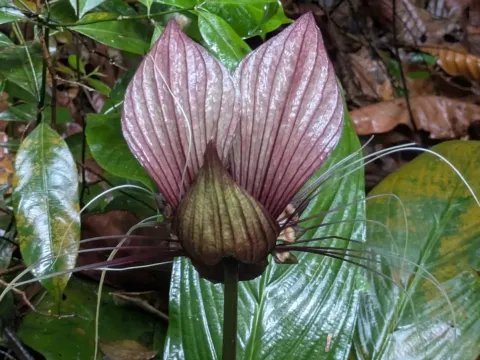
Tacca
Tacca
The propagation of Tacca is most effectively achieved through the division of rhizomes during the plant's dormant period or spring repotting. This vegetative method ensures that the offspring retain the parent plant's characteristics, providing a reliable way to expand cultivation.
What the section contains


Tacca
Seed propagation is a complex process due to the low natural germination rate of Tacca seeds. To increase success, seeds should be soaked in warm water for 24 hours before sowing to break dormancy and trigger the germination process.
It is crucial to maintain high humidity and consistent temperatures between 25 and 30 degrees Celsius for seed germination. Growers should be prepared for a long waiting period, as sprouts may emerge anywhere from several months up to a year after sowing.
Professional nurseries often employ tissue culture (micropropagation) to produce large quantities of uniform Tacca plants. This method requires specialized laboratory equipment and strictly controlled sterile conditions to ensure high survival rates.
When starting seeds, the use of sterile growing media, such as a mix of peat moss and perlite, is essential. This minimizes the risk of damping-off disease, which is a common threat to young seedlings in their early stages.
Tacca, a member of the Dioscoreaceae family, thrives in warm, tropical conditions. The ideal temperature for healthy vegetative growth ranges from 20 to 28 degrees Celsius, and the plant should be shielded from temperatures below 15 degrees Celsius.
The soil must be light, highly porous, and rich in organic matter to mimic the plant's natural forest floor habitat. A mix of orchid substrate, coco coir, and leaf mulch provides the necessary drainage while maintaining adequate moisture retention.
Humidity is the most critical environmental factor for Tacca. A relative humidity of at least 70% is required to prevent leaf margins from drying out and to ensure the plant's complex inflorescences develop properly.
Lighting should be bright but indirect; direct sunlight is harmful and will quickly scorch the large, sensitive foliage. In greenhouse environments, the use of shade cloth is recommended to protect the plants from high-intensity solar radiation.
Watering requires a delicate balance: the substrate must remain consistently moist but never waterlogged. Using soft, room-temperature water is recommended to avoid chemical buildup and to prevent potential shock to the root system.
Root rot is the primary threat to Tacca, usually caused by overwatering or poor drainage. Once the rhizome begins to decay, the plant is extremely difficult to save, making preventive irrigation management the most important control measure.
Spider mites are common pests that thrive in dry environments and frequently infest Tacca. Regular leaf misting and the use of systemic acaricides are effective ways to control populations and keep the foliage healthy and clean.
Mealybugs can be problematic, often hiding in the tight spaces between leaf petioles and the base of the plant. Manual removal combined with insecticidal treatments is usually necessary to manage and eradicate these pests effectively.
Fungal leaf spot diseases can occur if air circulation is insufficient, leading to stagnant pockets of high humidity. Improving airflow through ventilation and spacing plants correctly helps reduce the incidence of these infections.
Vulnerable plants that have been stressed by poor light or improper feeding may also suffer from bacterial soft rot. Implementing a strict sanitation protocol is vital for keeping large collections free from diseases that spread easily in moist, warm conditions.