
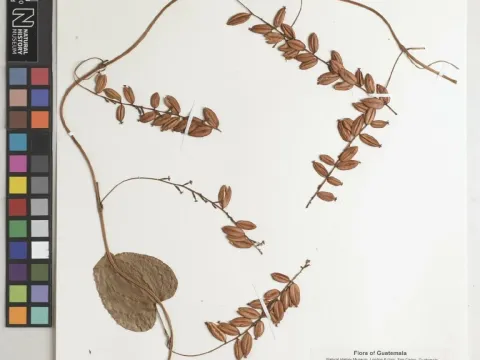
Dioscorea convolvulacea
Dioscorea convolvulacea
Planting of Dioscorea convolvulacea typically begins in the spring when soil temperatures reach at least 18–20 degrees Celsius. In tropical regions, the onset of the rainy season is the preferred time, as it provides natural irrigation for initial root development.
What the section contains
Dioscorea convolvulacea
Propagation is primarily achieved using small whole tubers or tuber sections with well-developed buds. It is crucial to select only healthy, disease-free planting material to prevent soil-borne pathogens from infecting the crop during the early growing phase.
The spacing between plants should be approximately 50–70 centimeters to accommodate the vigorous vining habit of the plant. Tubers are usually planted at a depth of 10 to 15 centimeters depending on the soil structure.
Commercial production requires the use of trellises or wooden stakes for support. Without proper support, the vines become tangled, which limits air circulation and light exposure, leading to reduced tuber development and higher disease risks.
Initial moisture management is vital for successful establishment. While the soil should be kept moderately moist after planting, it must remain well-drained to prevent the young roots from rotting under saturated conditions.
Dioscorea convolvulacea is a heat-loving crop belonging to the Dioscoreaceae family. It thrives in warm, tropical, and subtropical climates and is highly sensitive to frost, which makes its commercial range geographically limited.
The ideal growing medium consists of light, well-drained loamy or sandy soils enriched with organic matter. Heavy, waterlogged soils are detrimental as they significantly increase the risk of tuber rot and fungal outbreaks.
The plant requires high levels of solar radiation for optimal photosynthetic activity. Although young plants can tolerate partial shade, the development of large, starchy tubers is maximized in full sunlight.
Regular irrigation is essential, particularly during the period of maximum vegetative growth. In regions with significant dry seasons, the implementation of drip irrigation systems is necessary to maintain consistent growth rates and final yield quality.
The soil pH should ideally range from slightly acidic to neutral. Soil preparation should include the application of balanced fertilizers high in potassium and phosphorus to support the expansion and carbohydrate storage of the tubers.
Root-knot nematodes are among the most significant threats to this species, as they penetrate the tubers, causing severe damage and reducing market value. Crop rotation and the use of certified disease-free material are the best preventive strategies.
Fungal diseases, including anthracnose, can affect the leaves and stems in high-humidity environments. Maintaining proper plant spacing and ensuring good airflow are critical for minimizing the spread of these pathogens.
Pests such as aphids and spider mites can attack the foliage. Early detection through regular crop monitoring allows for timely intervention using integrated pest management strategies to keep damage levels low.
Root rot caused by various soil pathogens is often a symptom of poor drainage or overwatering. Improving soil structure with organic additives and managing water levels are essential for long-term plant health.
Biological control agents are often preferred over chemical pesticides to maintain the ecological balance on the farm and ensure that the harvested tubers remain free of synthetic chemical residues.
The harvest phase begins when the plant's aerial foliage naturally yellows and dies back, signaling that the energy has been fully transferred to the tubers. This usually occurs 7–9 months after planting.
Harvesting must be performed with great care to avoid mechanical bruising of the tubers. Any damage to the skin can serve as an entry point for bacteria and fungi during the storage phase, leading to significant post-harvest losses.
After excavation, the tubers should be cleaned of soil and cured in a shaded, well-ventilated area for several days. This process helps heal surface wounds and enhances the longevity of the produce during storage.
Dioscorea convolvulacea is primarily used as a staple food source, as its tubers are rich in starch. Proper culinary preparation is essential to remove any potential anti-nutritional compounds present in raw forms.
Successful storage requires cool, dry, and dark conditions with excellent ventilation. When stored properly, the tubers can remain stable for several months, ensuring food availability throughout the year for the local population.