
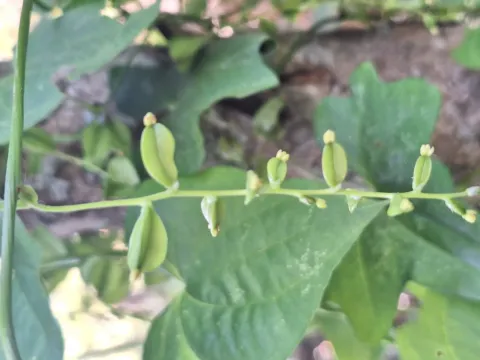
Black bryony
Tamus
Black bryony, scientifically known as Tamus communis, is a perennial herbaceous vine belonging to the Dioscoreaceae family. Propagation is primarily achieved through seeds or the division of fleshy rhizomes, with sowing typically performed in late autumn to satisfy the cold stratification requirement.
What the section contains
Black bryony
When using vegetative propagation, segments of healthy, mature rhizomes are planted into nutrient-rich, loose soil during early spring. Planting depth should be maintained at 10–15 centimeters to protect the developing buds from late frost and to provide stability for the emerging shoots.
Proper plant spacing is essential for this species to thrive, with at least 40–50 centimeters required between individuals. This spacing ensures adequate airflow, which is critical for reducing the humidity levels around the foliage and preventing the onset of various fungal pathogens.
The soil should be deeply tilled and cleared of perennial weeds before planting. Incorporating organic matter, such as compost or well-rotted manure, significantly improves the soil structure and provides the necessary nutrients for the vigorous growth of the vine's aerial parts.
As a climbing plant, Black bryony requires sturdy vertical support structures such as trellises, mesh, or wooden poles. Installing these structures at the time of planting prevents disturbance to the root system and guides the plant towards optimal light exposure as it matures.
This crop thrives in temperate climates and is best suited for semi-shaded locations that provide protection from the intense midday sun. While it can adapt to various light conditions, partial shade mimics its natural forest-edge habitat, leading to healthier leaf development.
Black bryony prefers fertile, well-drained loamy soils. It is highly sensitive to waterlogged conditions, which can lead to root rot; therefore, ensuring adequate soil drainage is the most critical factor in the site selection and preparation process for this perennial plant.
The ideal soil pH for this culture ranges from slightly acidic to neutral. In heavier soil types, the integration of coarse sand or grit is recommended to enhance porosity and allow for effective oxygen exchange around the rhizome, which is vital for its long-term health.
Regular irrigation is necessary during the establishment phase and periods of drought. However, the soil surface should be allowed to dry slightly between waterings to prevent a moisture surplus in the root zone, which the plant does not tolerate well.
Mulching is a highly effective practice for maintaining soil moisture and temperature stability. Applying a layer of organic mulch around the base of the plant helps suppress weeds and protects the surface roots from drying out during the peak heat of summer.
Black bryony is generally resilient, but it can be susceptible to root rot if grown in poorly drained soils. The primary cause of disease is excessive moisture, which creates an anaerobic environment favorable for pathogenic fungi that attack the underground rhizome.
In cases of infection, cultural control is the first line of defense: prune away any damaged foliage and ensure that the soil surface is kept dry. If fungal symptoms persist, the use of copper-based fungicides may be necessary to protect the plant's structural integrity.
Pests like slugs and snails are significant threats, particularly to young shoots during the early spring. Implementing physical barriers, such as copper tape or crushed eggshells around the base of the vine, can effectively deter these pests without resorting to harsh chemical treatments.
Aphids can sometimes infest the succulent growing tips of the vine during periods of extreme heat. Routine monitoring and the application of mild insecticidal soaps or neem oil solutions are usually sufficient to manage minor infestations without affecting the overall plant health.
Maintaining a clean cultivation area by removing weeds and plant debris minimizes habitats for pests and disease vectors. A well-maintained and adequately spaced planting layout is the best preventive strategy against the majority of common agricultural threats.
Harvesting the rhizomes of Black bryony is ideally performed in the autumn, once the foliage has turned yellow and died back naturally. The most productive harvest occurs when plants are at least three to four years old, ensuring maximum root development and compound concentration.
The excavation process requires care, typically using a garden fork to avoid damaging the fleshy, fragile roots. Once extracted, the rhizomes are thoroughly cleaned of soil, separated from fibrous secondary roots, and rinsed in cold water to remove any lingering debris.
Drying must be conducted in a well-ventilated area at temperatures not exceeding 40 degrees Celsius. Rapid or uneven drying can lead to quality degradation or internal mold, so maintaining consistent airflow is essential for the preservation of the material.
Stored rhizomes should be kept in a cool, dark, and dry environment. Utilizing breathable containers like paper bags or linen pouches ensures that the material remains free from moisture accumulation, maintaining its potency for up to two years of storage.
During the harvest and processing of raw rhizomes, it is imperative to wear gloves. The plant contains compounds that can act as skin irritants, causing redness or allergic dermatitis upon direct contact with the sap, especially when the roots are freshly harvested.