
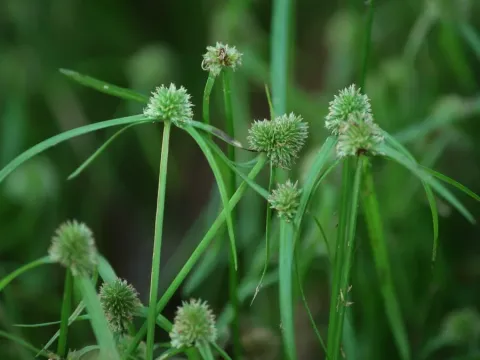
Cyperus hortensis
Cyperus hortensis
Cyperus hortensis is a perennial herbaceous plant belonging to the Cyperaceae family, widely recognized for its characteristic upright stems. Propagation is primarily achieved through rhizome division, ensuring the retention of all vital biological characteristics of the parent plant.
What the section contains
Cyperus hortensis
The optimal planting time starts in spring once the soil temperature is sufficiently stable. It is recommended to choose sites that allow for deep irrigation, as this species thrives in moisture-rich environments from the very beginning of its growth cycle.
When using seeds, they should be sown in a sterile, moist substrate at a depth of no more than 0.5 centimeters. Keeping the container covered until germination helps maintain the high humidity levels required for successful seedling development.
The spacing between plants during outdoor planting should be at least 30 centimeters to avoid competition for nutrients and light, which is crucial for maintaining the plant's natural architectural form.
Young plants require acclimatization before being permanently moved to outdoor conditions, especially if they were previously grown in protected greenhouse environments.
This crop has a high demand for water and flourishes in wetlands, near water bodies, or in consistently damp soils. It is one of the few plants that can tolerate temporary waterlogging without suffering from root decay.
The preferred soil is a rich, organic-heavy medium with a slightly acidic to neutral pH. Incorporating peat or organic compost into the planting hole significantly improves the plant's overall vigor and stem strength.
Full sun exposure is ideal for the plant's development, although it can tolerate partial shade in hotter climates where intensive sunlight might cause leaf scorching during mid-day.
Temperature management is critical; the plant prefers a warm climate between 20 and 26 degrees Celsius. Frost sensitivity means that in northern latitudes, winter protection or indoor relocation is mandatory for survival.
Regular maintenance involves removing damaged stems to encourage new growth and applying balanced fertilizers during the active growing season to support its rapid development.
The main disease affecting this species in indoor or high-humidity settings is powdery mildew, which thrives if air circulation is insufficient. Ensuring proper plant spacing can drastically reduce this risk.
Pests such as spider mites are common, especially when humidity levels drop below the optimal range. Regular misting of the foliage acts as a natural deterrent and prevents mite colonization.
Aphids can occasionally target new growth. Integrated pest management, including the use of mild horticultural soaps or natural predators, is usually sufficient to handle these minor infestations.
Root rot is rarely an issue due to the plant's aquatic nature, but it can occur if the soil becomes contaminated with pathogens or if there is a severe lack of oxygen in the root zone.
Maintaining a clean growing area and inspecting the plants weekly for early signs of discoloration or pest activity allows for quick intervention and long-term health of the crop.