
Foothill sedge
Carex tumulicola
Description
Sowing dates
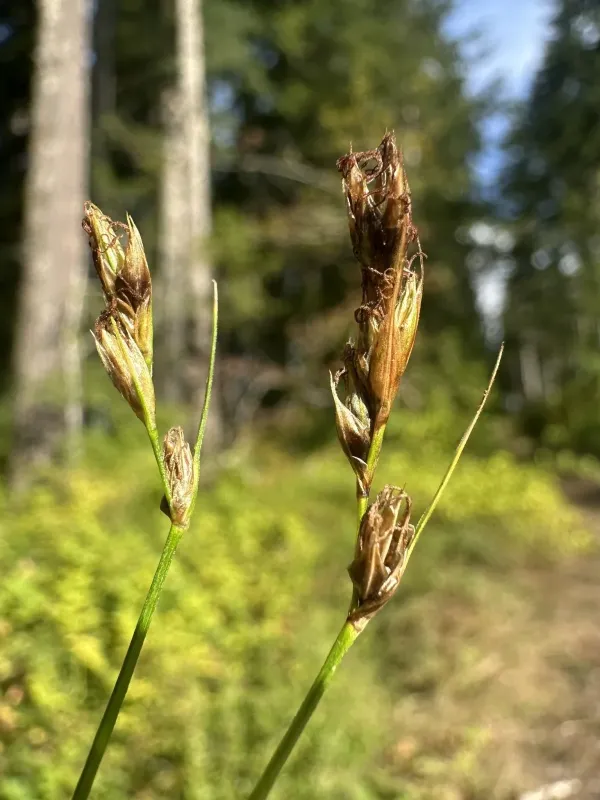
Foothill sedge (Carex tumulicola) is a member of the Cyperaceae family. This perennial herbaceous plant is native to the western regions of North America, where it typically inhabits grasslands, meadows, and open woodlands.
The plant grows in dense, attractive clumps, making it a popular choice for ground cover in sustainable landscaping. Propagation is usually achieved through the division of mature clumps in early spring or by sowing seeds immediately after harvest.
Seeds often require a period of cold stratification to break dormancy and ensure successful germination. Sowing should occur in early spring once soil temperatures reach 50–55°F (10–13°C) to provide an optimal environment for growth.
Sow seeds at a shallow depth of approximately 0.25–0.5 inches (0.5–1 cm), ensuring the medium remains consistently moist. Protecting young seedlings from extreme heat and competition is critical during the establishment phase.
Because the plant grows slowly during the first season, diligent weeding is necessary. Eliminating competition for resources during the early stages of development is essential for the long-term success of the planting.
Growing requirements
Foothill sedge thrives in well-drained, moderately moist soils. While it demonstrates impressive versatility regarding light conditions, it performs exceptionally well in full sun to partial shade, making it adaptable for various landscape niches.
Once established, the plant exhibits significant drought tolerance. However, regular irrigation during dry spells is recommended to maintain the lush green color and vigor of the foliage throughout the summer months.
The species is not demanding regarding soil fertility and can adapt to various pH levels, preferring neutral to slightly acidic conditions. It is well-suited to regions with distinct seasonal temperature variations.
In colder regions, applying a light layer of organic mulch around the base of the plant helps protect roots from harsh winter temperatures. Mulching also aids in moisture retention during the critical spring growth period.
Regular maintenance involves cleaning out accumulated debris and dead leaves from the clumps. This practice prevents the build-up of old growth and encourages fresh, healthy foliage to emerge each spring.
Main diseases and pests
Foothill sedge is generally robust and rarely troubled by significant pest or disease issues. Most problems arise from improper site preparation, specifically poor drainage, which can lead to root rot if the soil remains constantly waterlogged.
In humid climates or overcrowded conditions, fungal issues like leaf rust may occur. To mitigate this risk, it is important to provide sufficient spacing between plants to ensure good airflow and reduce leaf wetness.
Insect pests such as aphids or spider mites are infrequent visitors. They typically only attack plants that are significantly stressed due to poor soil health or prolonged lack of water during peak growing seasons.
Preventive care, including the removal of infected plant tissue and the maintenance of a healthy planting environment, is usually sufficient to manage any issues. Heavy chemical intervention is rarely required for this sedge.
Ensuring the plant has enough space and is planted in well-aerated soil is the best defense against pathogens. Maintaining vigorous growth is the ultimate key to minimizing threats throughout the plant's life cycle.