
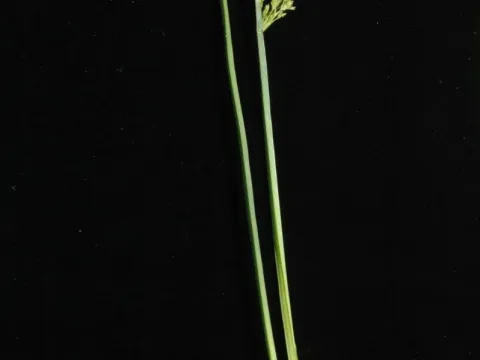
Naked sedge
Cyperus denudatus
Naked sedge (Cyperus denudatus) is a perennial herbaceous plant belonging to the Cyperaceae family. It is a moisture-loving species that occupies a specific niche in wetlands and riparian ecosystems.
What the section contains
Naked sedge
The native range of this species is primarily centered in tropical and subtropical Africa. The plant has evolved to thrive in areas where soil saturation is constant, making it a reliable indicator of high water tables in its natural habitat.
Growing Cyperus denudatus successfully requires specific climatic conditions, particularly a warm, frost-free environment. Exposure to temperatures consistently above 20 degrees Celsius supports vigorous growth and health.
Soil requirements involve a high organic matter content, with silty or clay-heavy soils being preferred for their moisture retention properties. The plant is unable to survive in dry or well-drained substrates without supplemental irrigation.
Cultural practices must focus on providing consistent water availability throughout the growing season. While the plant can tolerate partial shade, maximum biomass production is achieved in sites with high light intensity.
The economic value of Cyperus denudatus is largely linked to its functional role in water purification and landscaping. Its ability to absorb nutrients from water makes it an excellent candidate for constructed wetlands and phytoremediation projects.
Harvesting strategies are typically centered on biomass management rather than food production. Removing surplus growth helps prevent the stagnation of the planting area and promotes renewed growth in the following season.
Mechanical harvesting is conducted with care to avoid damage to the rhizome structures, which are vital for plant regeneration. Ideally, stems are cut several centimeters above the water line to ensure long-term sustainability of the stand.
The harvested plant material is high in nutrients, serving as an effective additive for compost piles or organic soil amendments. Incorporating these residues back into the garden ecosystem aids in building healthy soil structure.
Proper post-harvest management is essential to prevent rot. Because the plant is naturally adapted to high moisture, its residues must be processed carefully—either through immediate composting or controlled drying—to maximize their utility.