
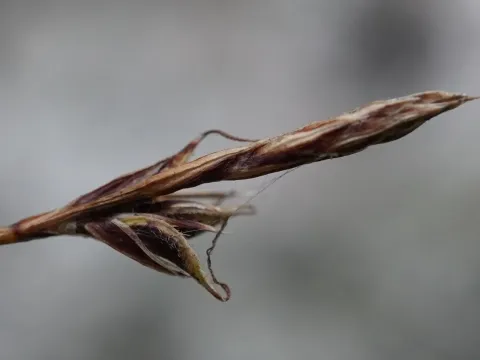
Carex mucronata
Carex mucronata
Carex mucronata is a perennial herbaceous plant belonging to the Cyperaceae family. In agricultural practices, it is typically propagated via seeds, which are best sown in early spring when soil moisture is at its peak after the snow melts.
What the section contains
Carex mucronata
Seeds exhibit a natural dormancy period, requiring stratification for approximately 45 days to maximize germination rates. The sowing process involves using a drill seeder with row spacing of 20 to 30 centimeters to ensure even plant distribution.
The planting depth should be shallow, generally between 1 and 2 centimeters, to allow the small seeds to emerge effectively. Under optimal conditions with temperatures between 15°C and 18°C, seedlings emerge within two to three weeks.
Winter sowing is also a viable option in many regions, allowing the seeds to undergo natural vernalization. This approach often results in more vigorous early spring growth compared to spring-sown crops.
Management of seedling density is crucial in the first year. Proper thinning helps prevent resource competition and promotes the development of strong, healthy root systems essential for the plant's long-term survival.
This sedge species thrives in a variety of soil types, though it performs best in well-drained loamy or sandy substrates. Unlike many other sedges, it is sensitive to waterlogging and performs poorly in permanently saturated or anaerobic soil conditions.
Carex mucronata is a photophilic species, requiring full sunlight to maintain high vigor and density. Shaded environments inhibit growth, leading to reduced leaf production and a thinner, less productive canopy.
The plant is highly resilient, showing impressive cold tolerance during winter months. However, it is sensitive to rapid freeze-thaw cycles in early spring, which can stress the plant when it begins to break dormancy.
Soil pH should ideally be neutral to slightly acidic. Incorporating well-rotted organic matter before sowing improves soil structure and provides the essential nutrients required for steady development throughout the growing season.
Water management is critical during the peak summer months. While the plant can tolerate short intervals of dryness, supplemental irrigation is recommended during prolonged droughts to prevent leaf chlorosis and growth stunting.
Fungal diseases, particularly leaf rust, represent the primary health threat to Carex mucronata populations. These infections are most prevalent in areas with high humidity, poor air circulation, or excessive soil moisture.
Insects, such as aphids and various leaf-mining larvae, may cause damage during the active growing season. Their impact is generally worse in hot, dry summers when plant vigor might be slightly compromised by heat stress.
Effective management includes the application of preventive fungicides during the early spring growth phase. Maintaining optimal plant density is also a key cultural practice to improve airflow and reduce the risk of pathogen outbreaks.
Insect control should be handled with targeted insecticides when thresholds are exceeded. Monitoring for signs of pest activity on the leaf undersides is recommended during regular field inspections.
Overall, maintaining a strict crop rotation and using high-quality, disease-free seed stock are the most effective strategies for long-term health management in a professional agricultural setting.